End Effectors for Robots and Automation
Turn a robot into a task-specific automation solution with the right end-of-arm tool. Compare robotic grippers, vacuum systems, electric solutions, compliant tools, and other end effectors from multiple manufacturers on the RBTX Marketplace.
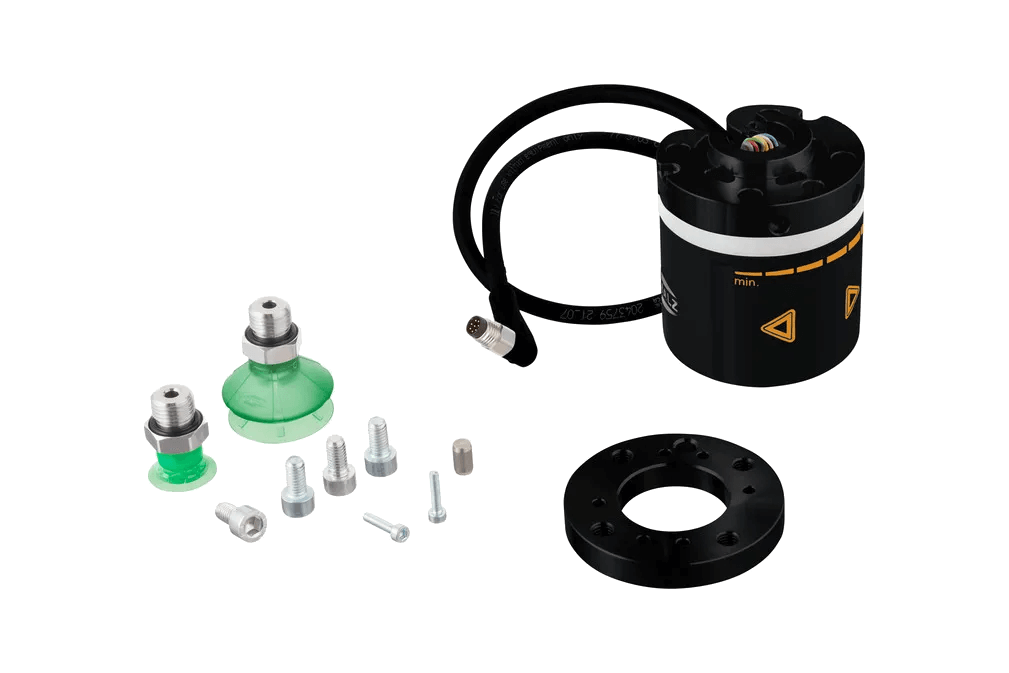
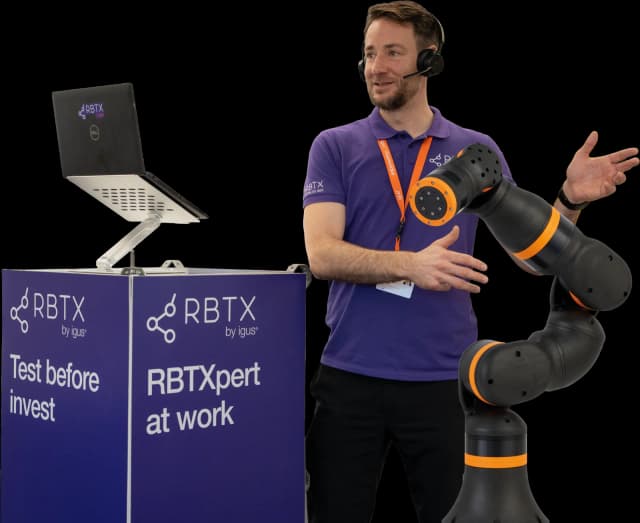
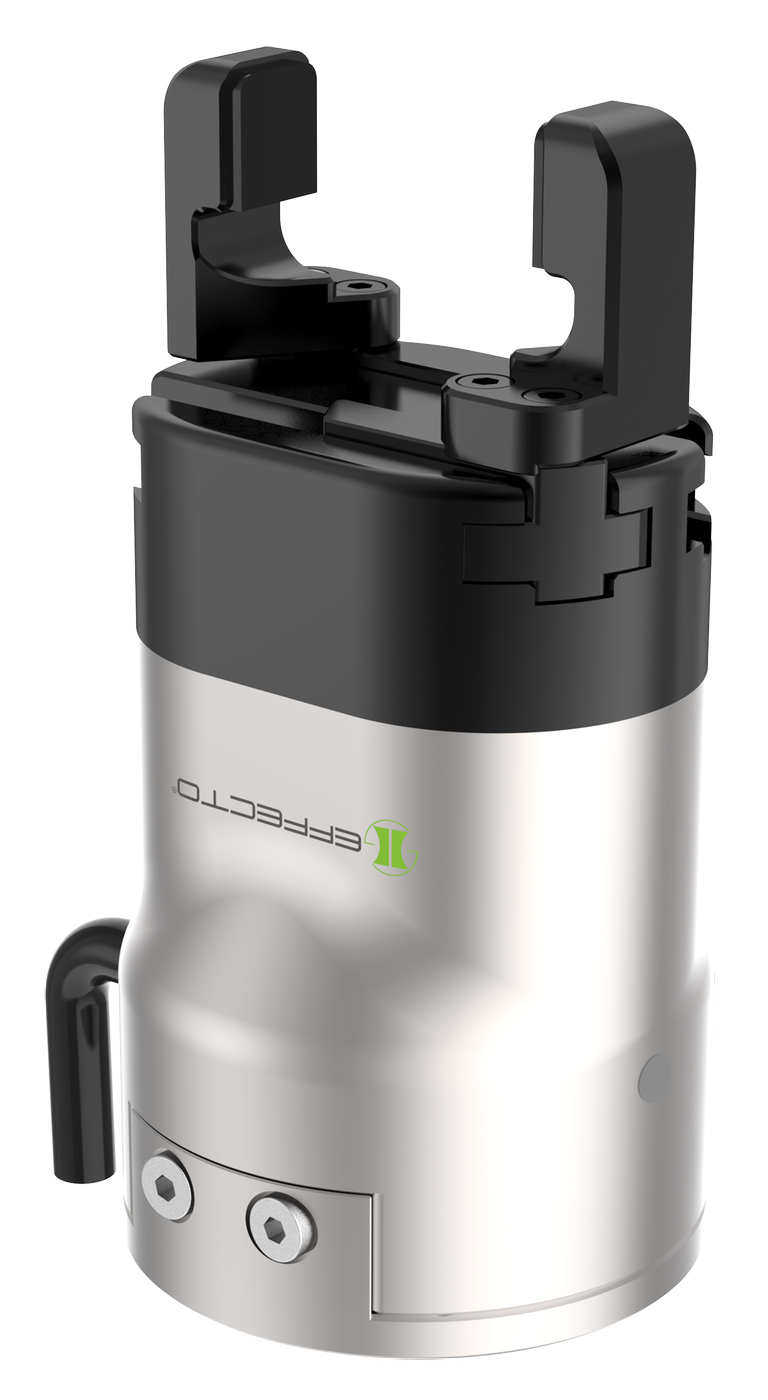
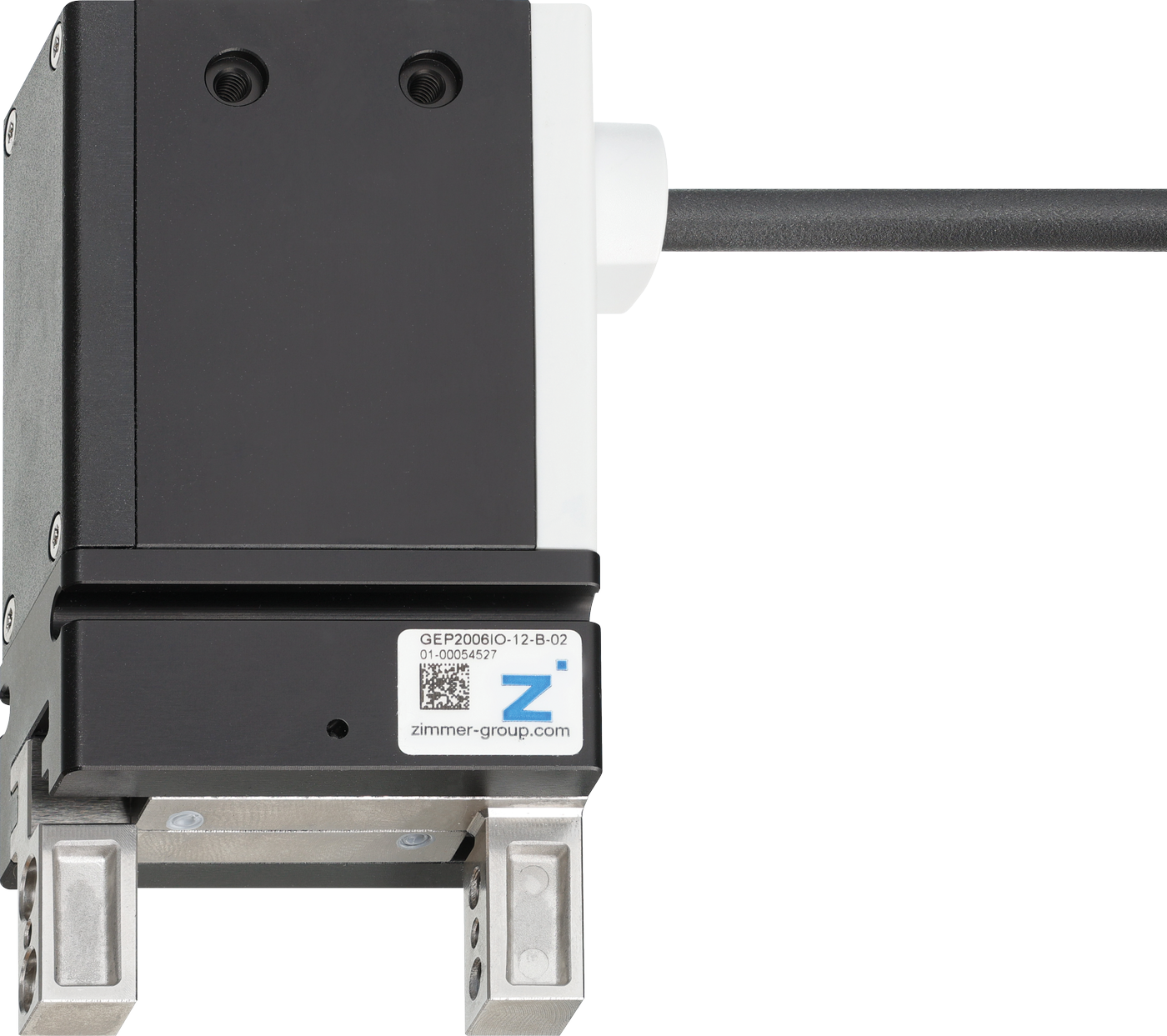
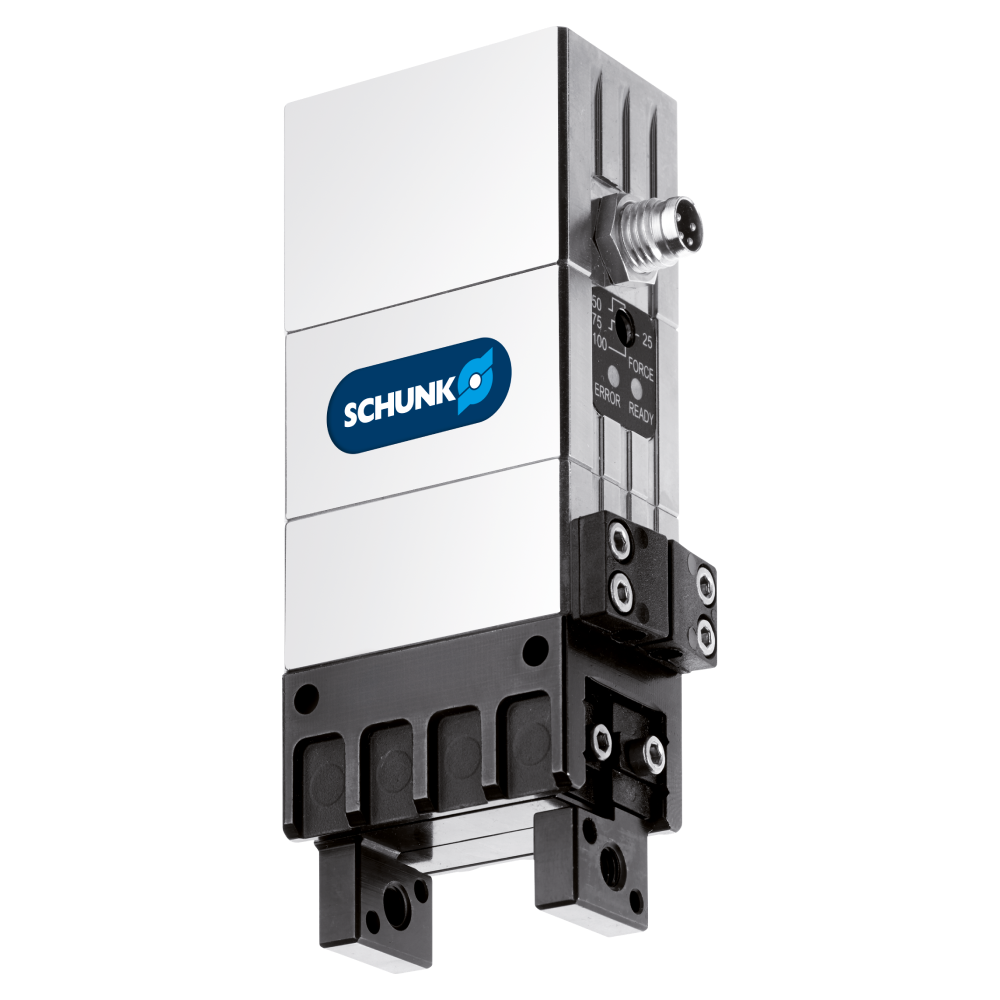
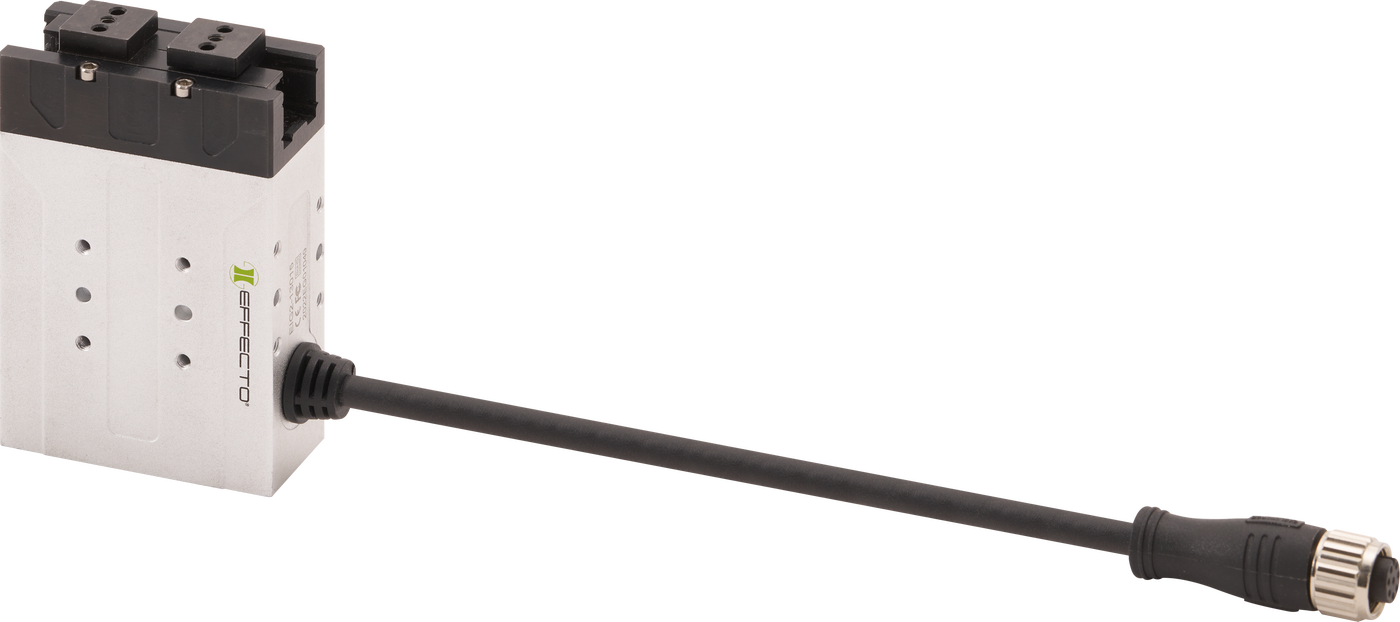
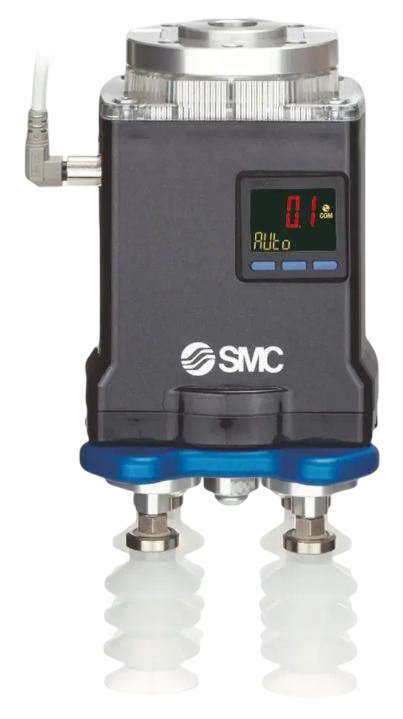
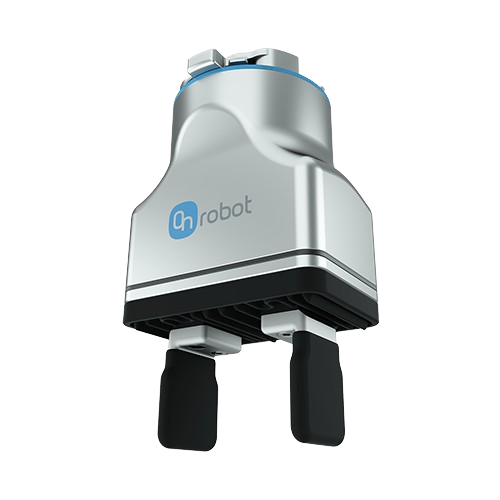
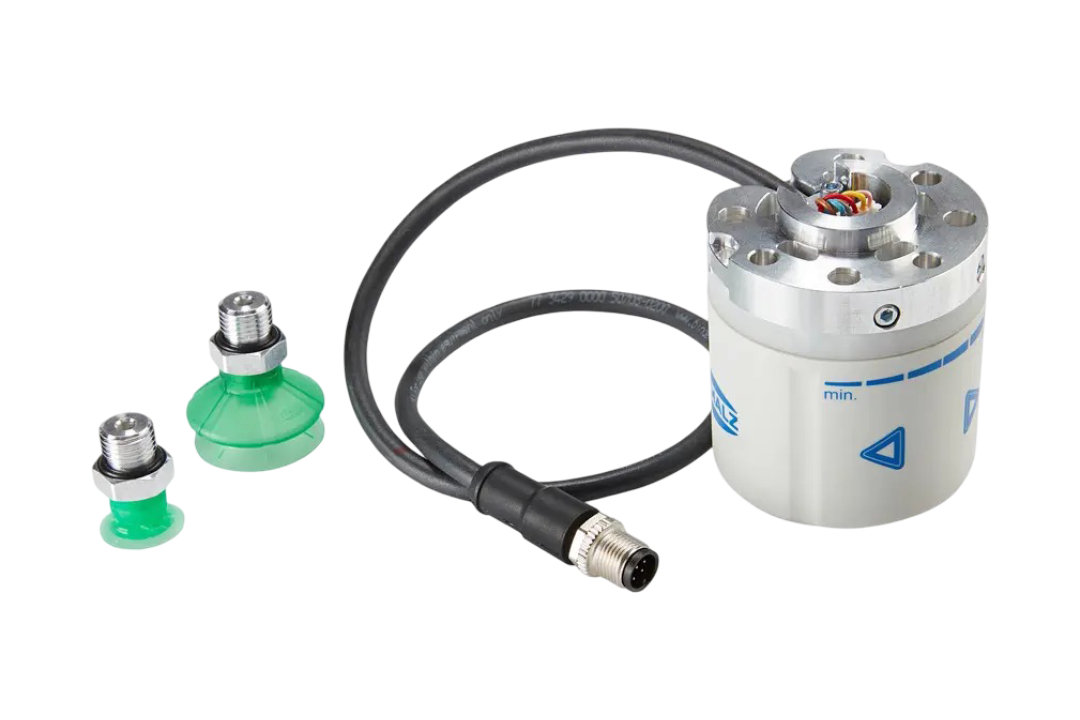
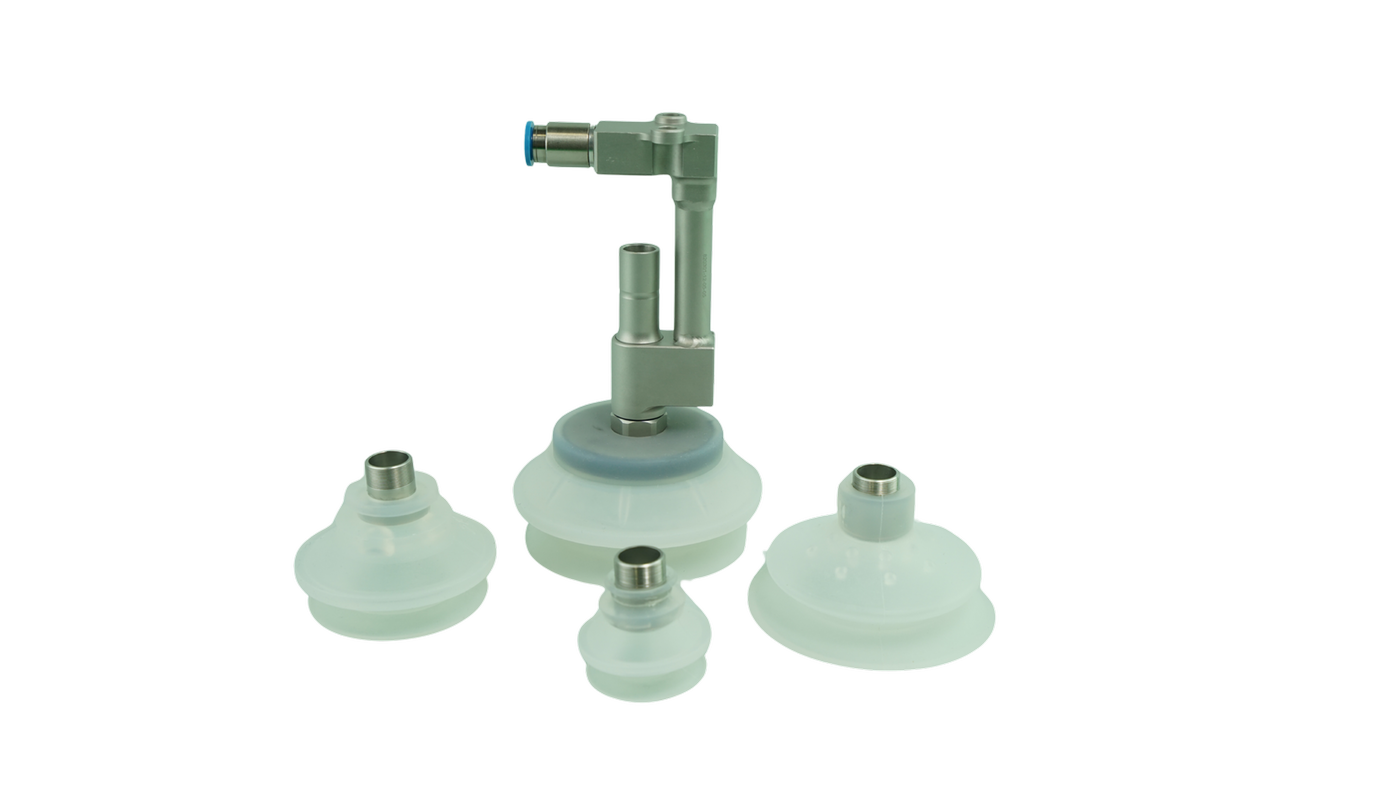
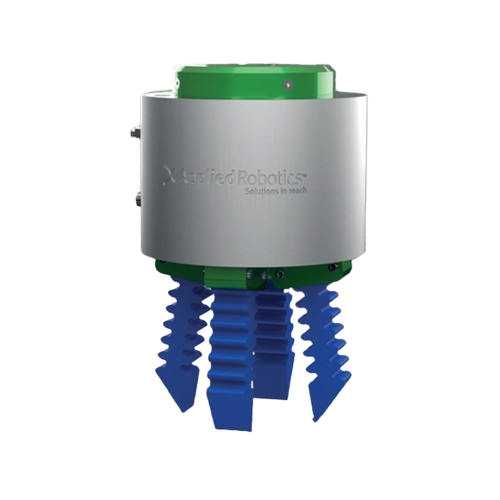
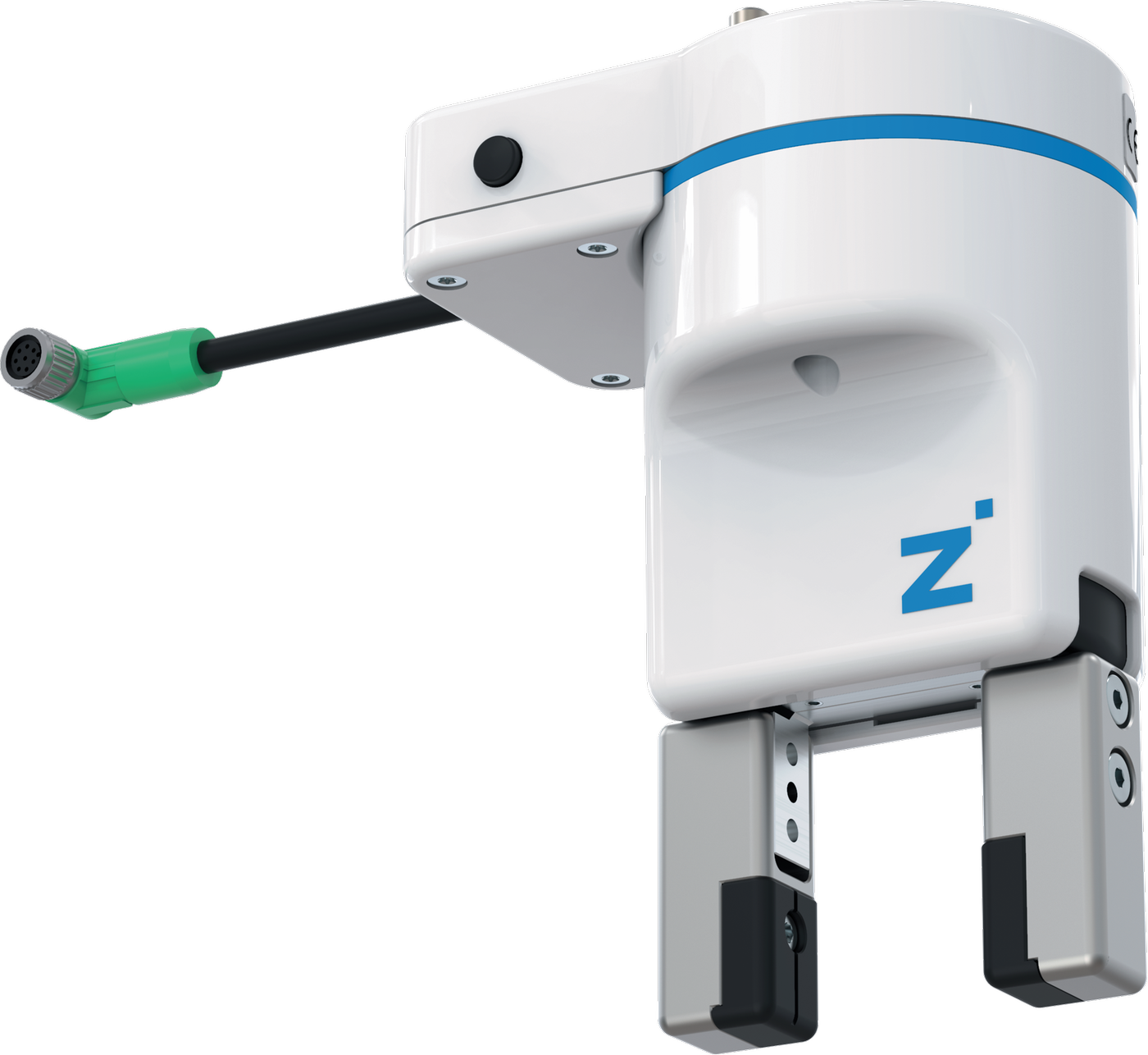
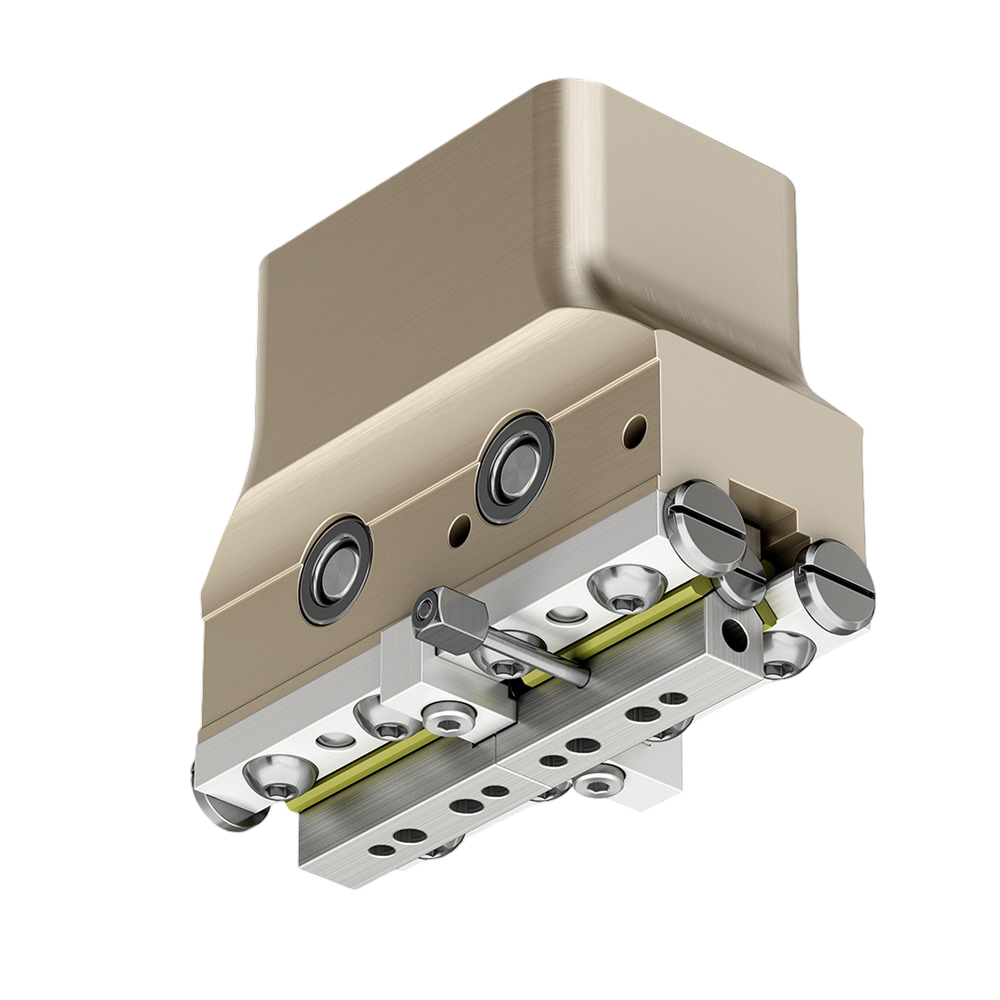
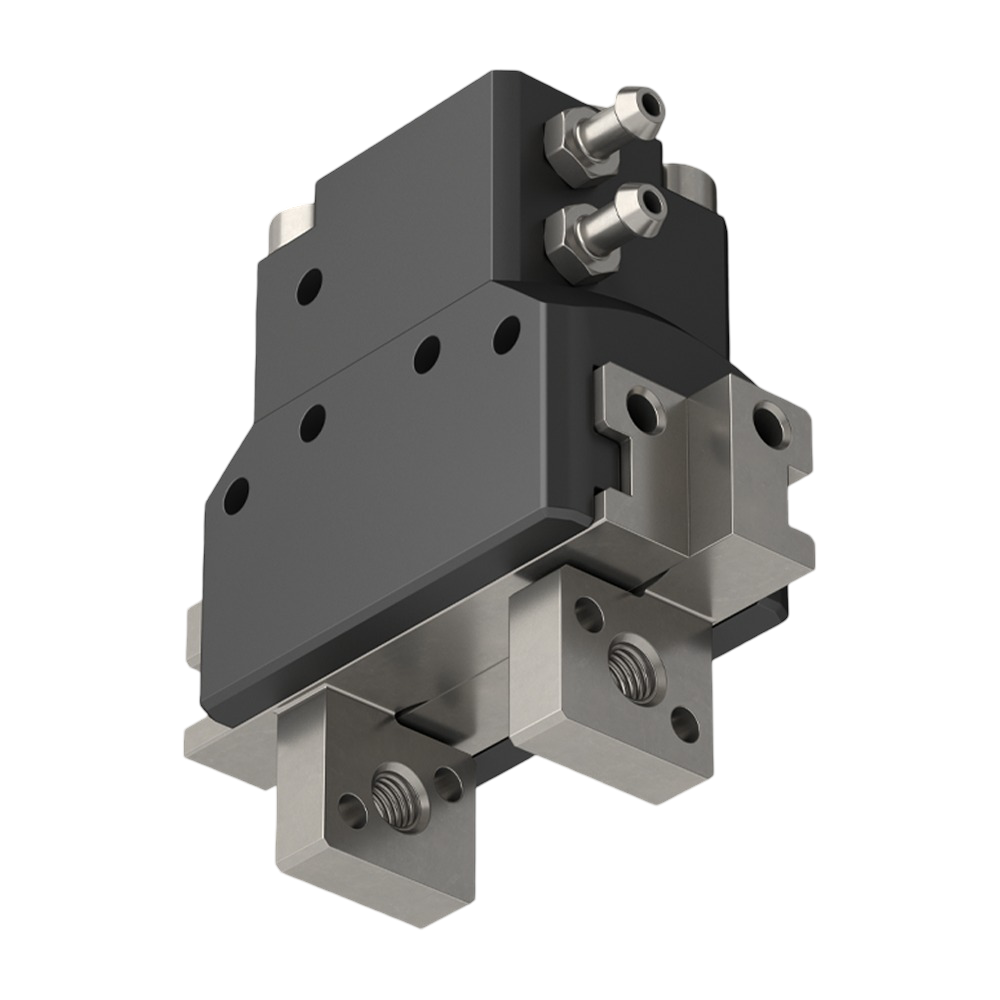
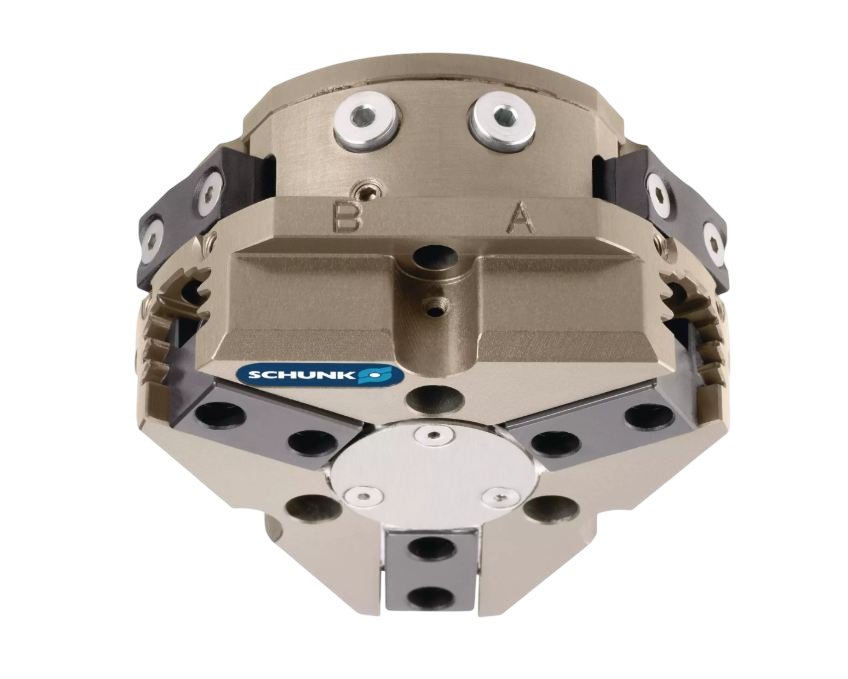
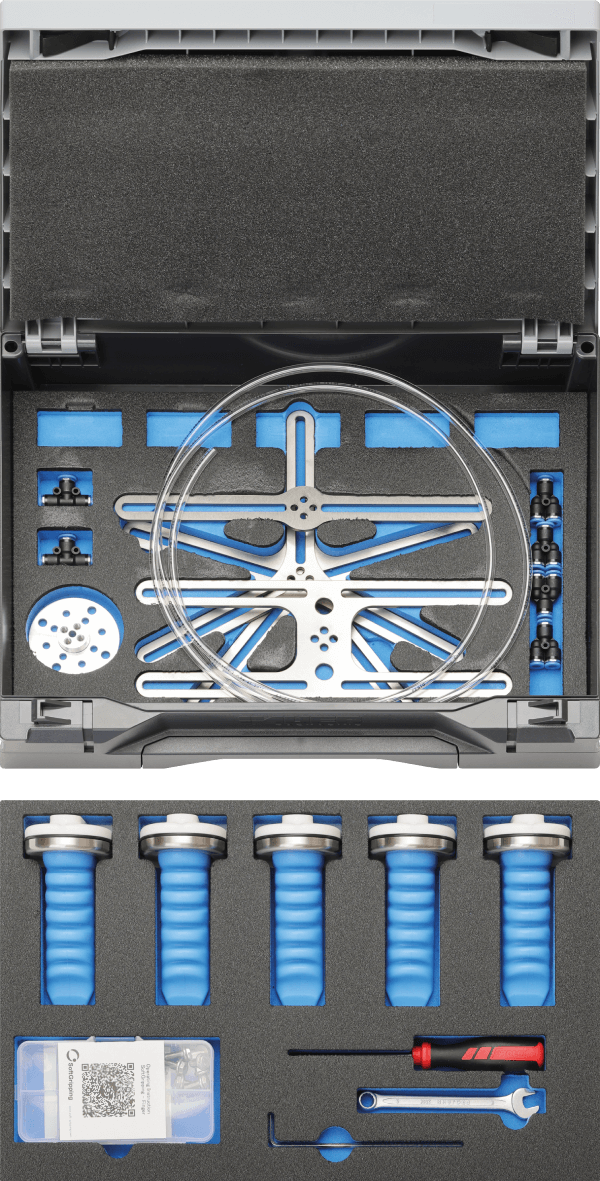
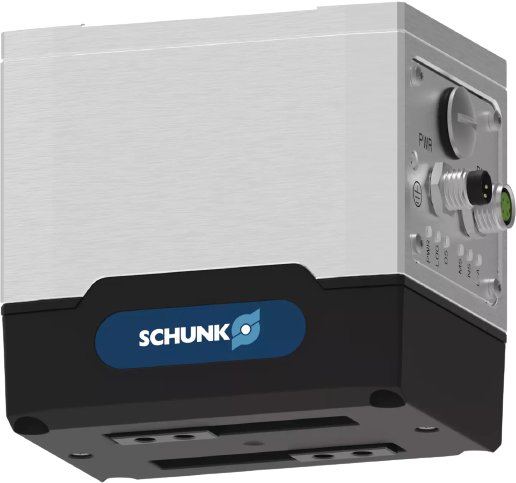
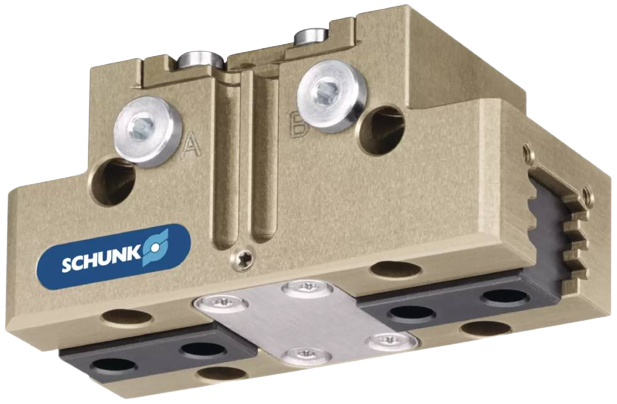
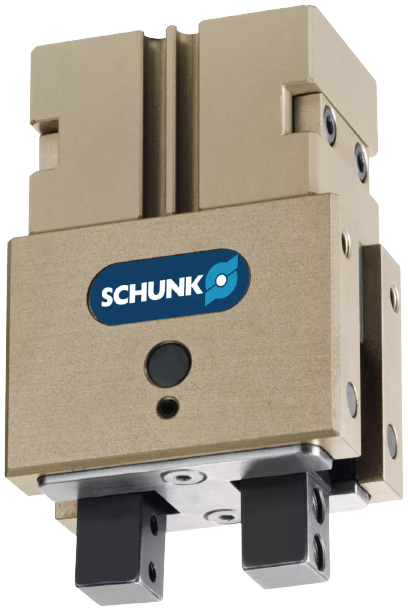
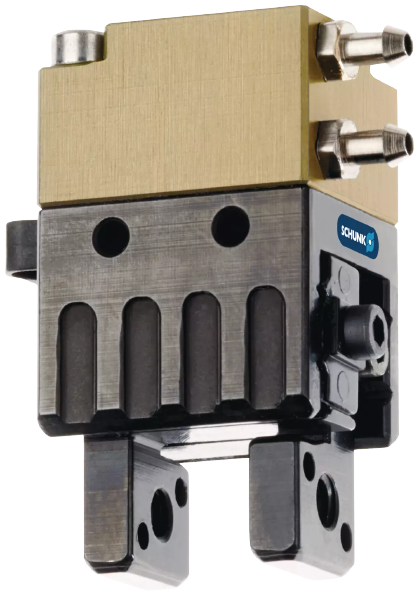
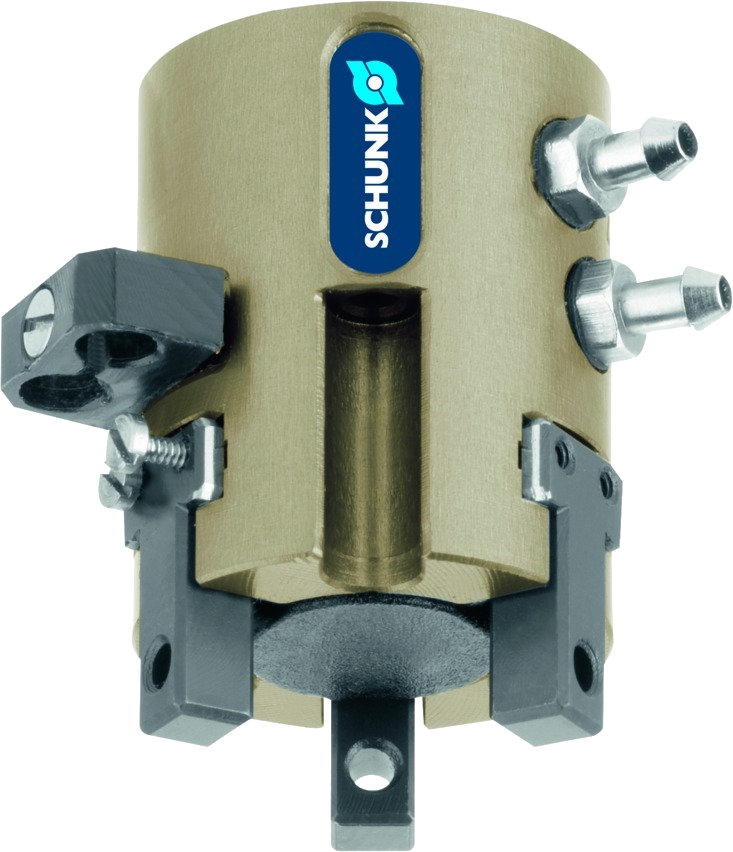
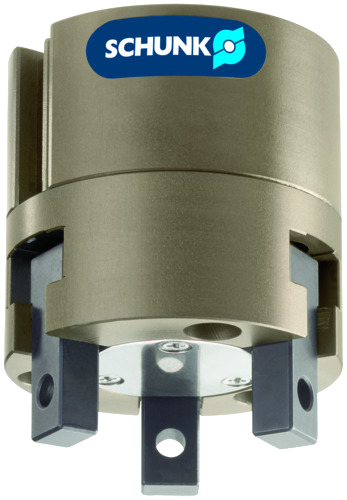
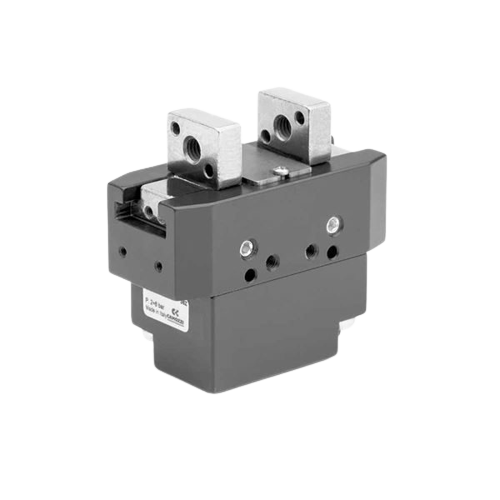
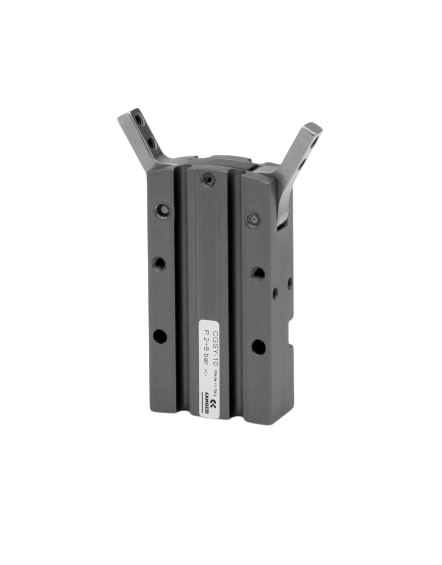
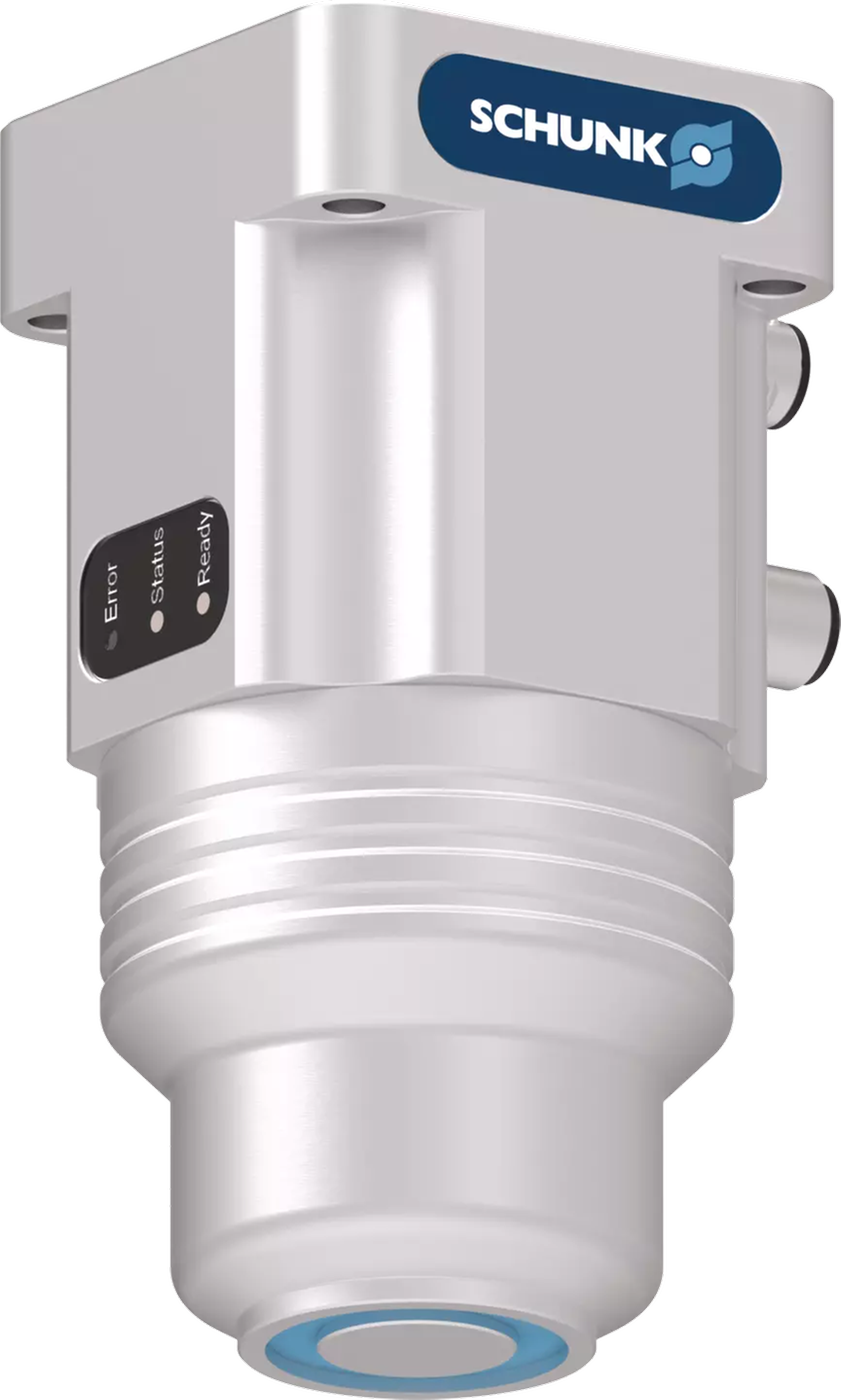
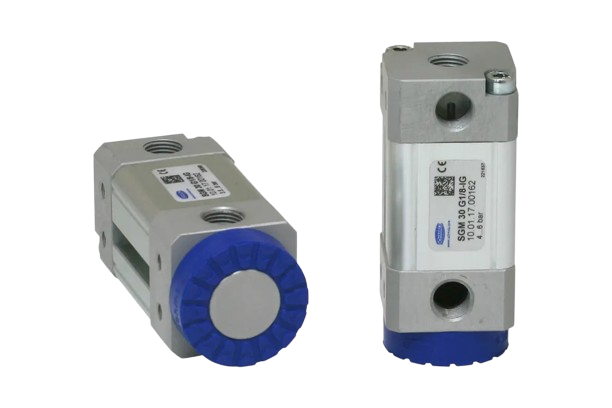
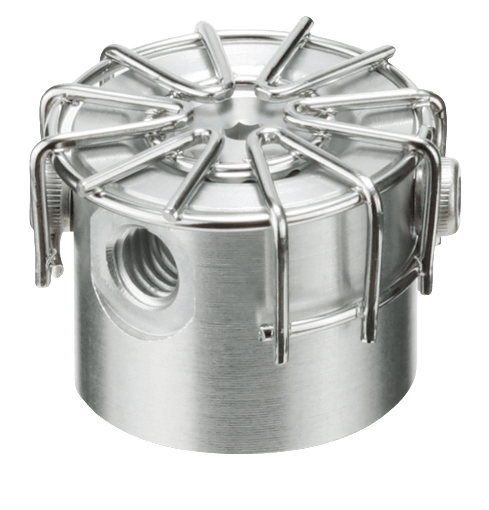
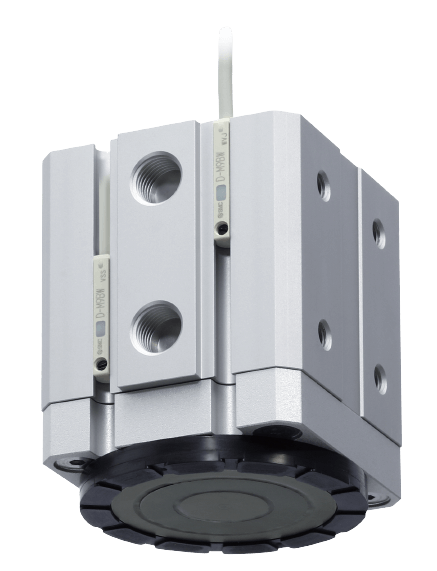
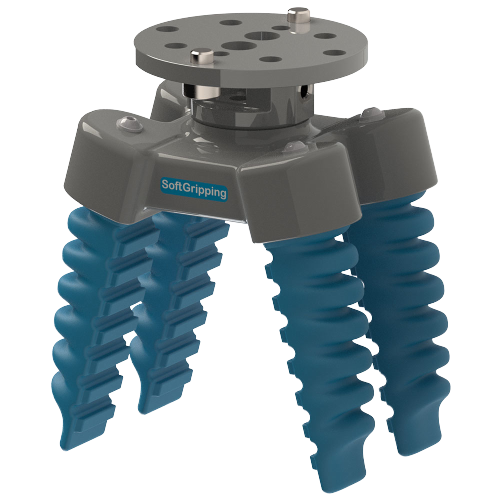
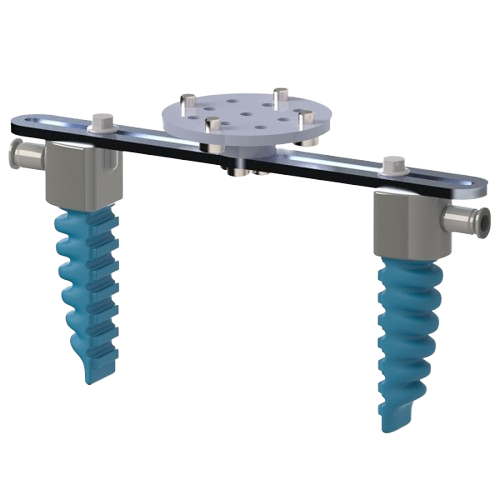
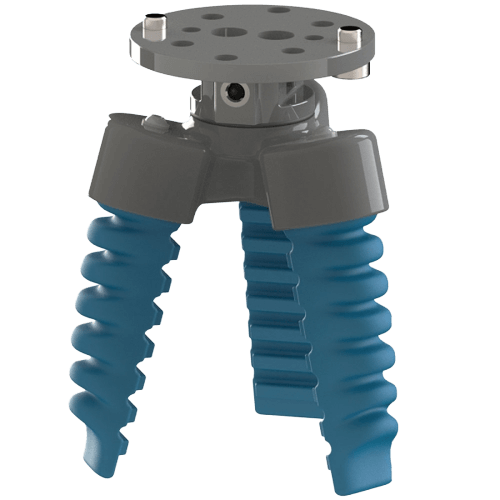
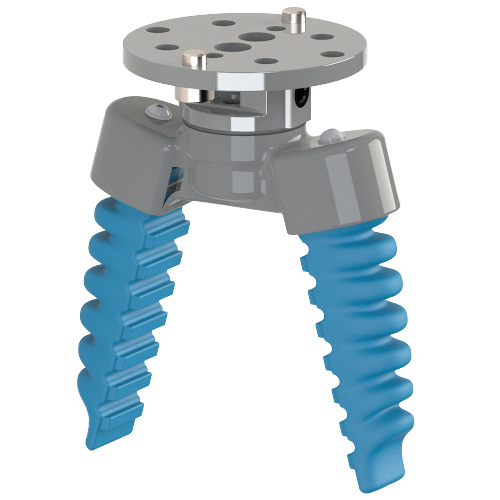
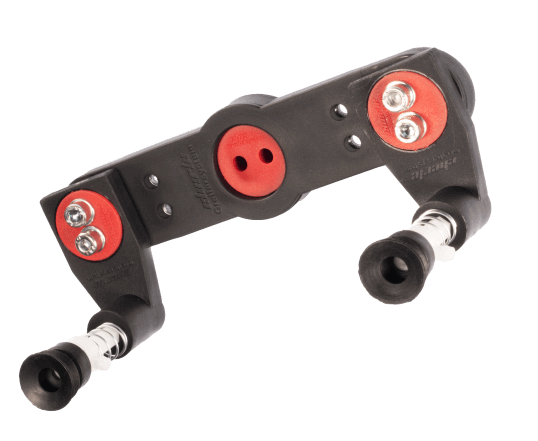
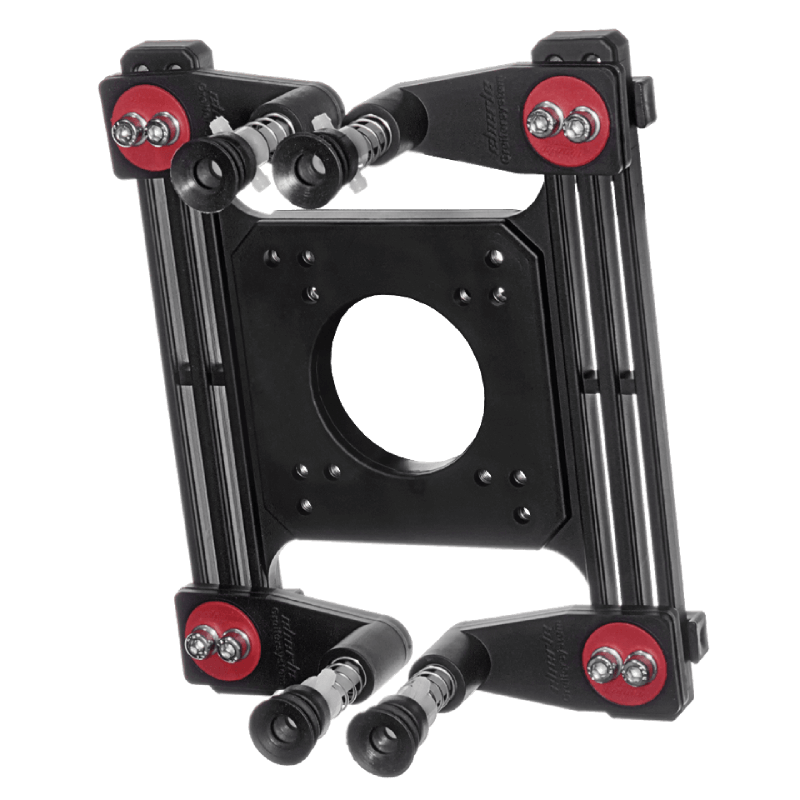
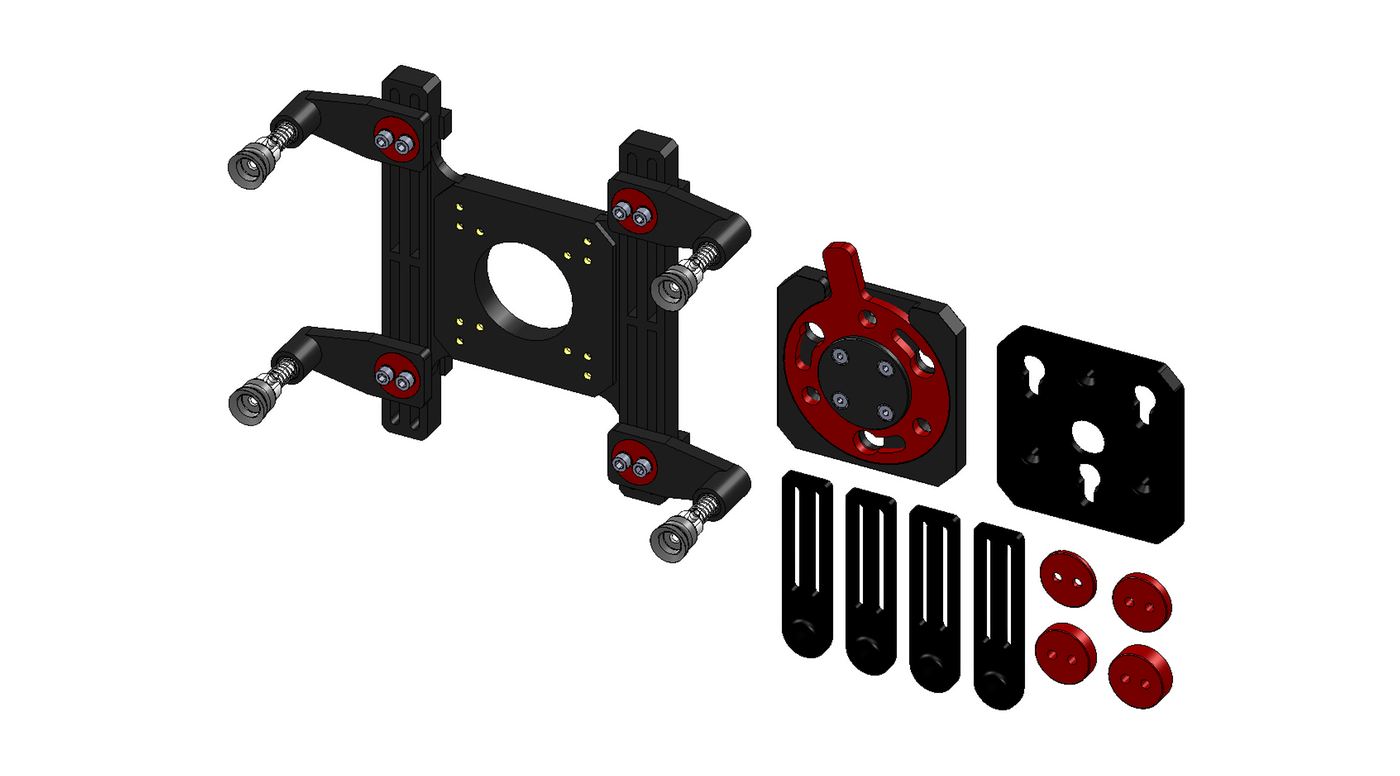
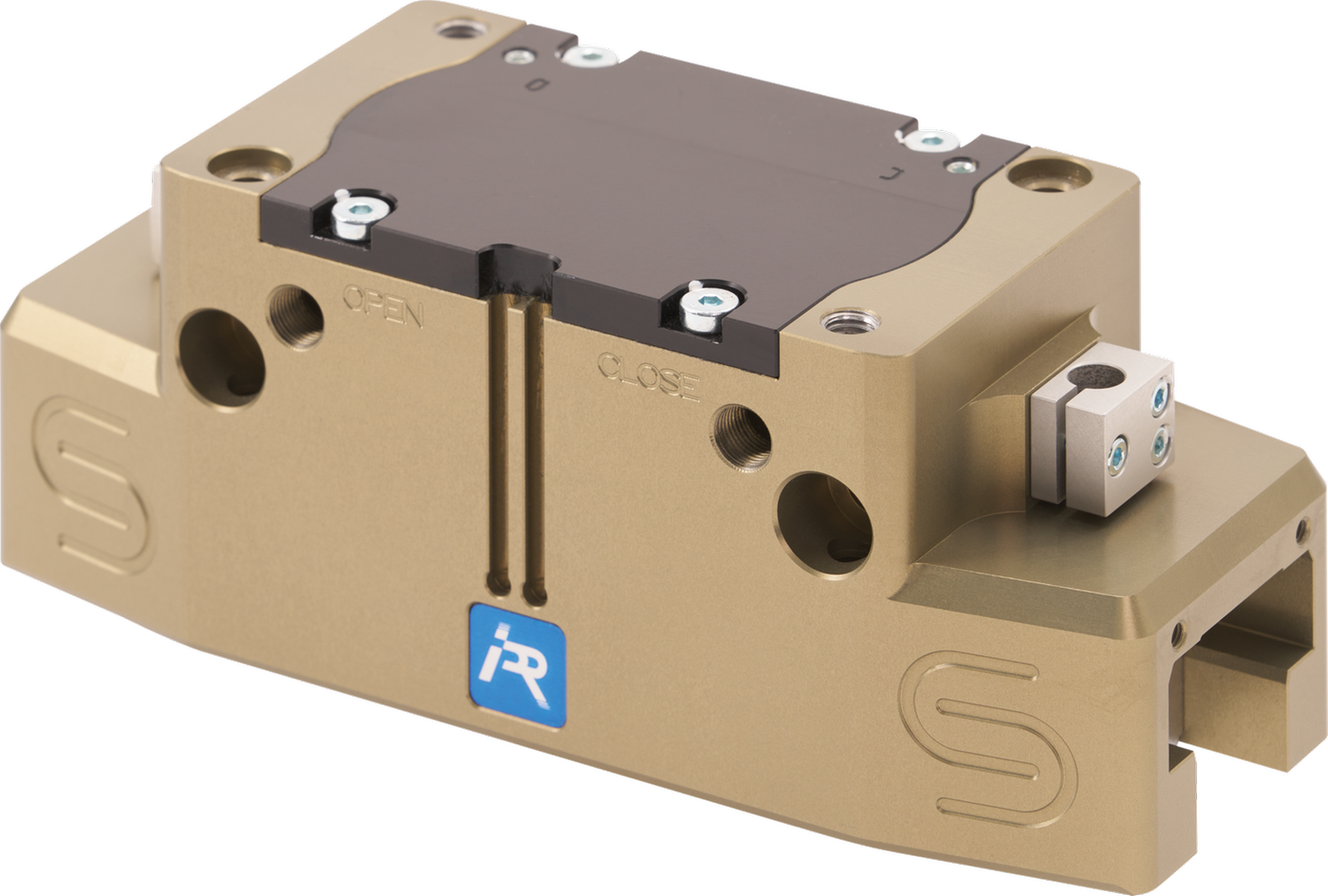
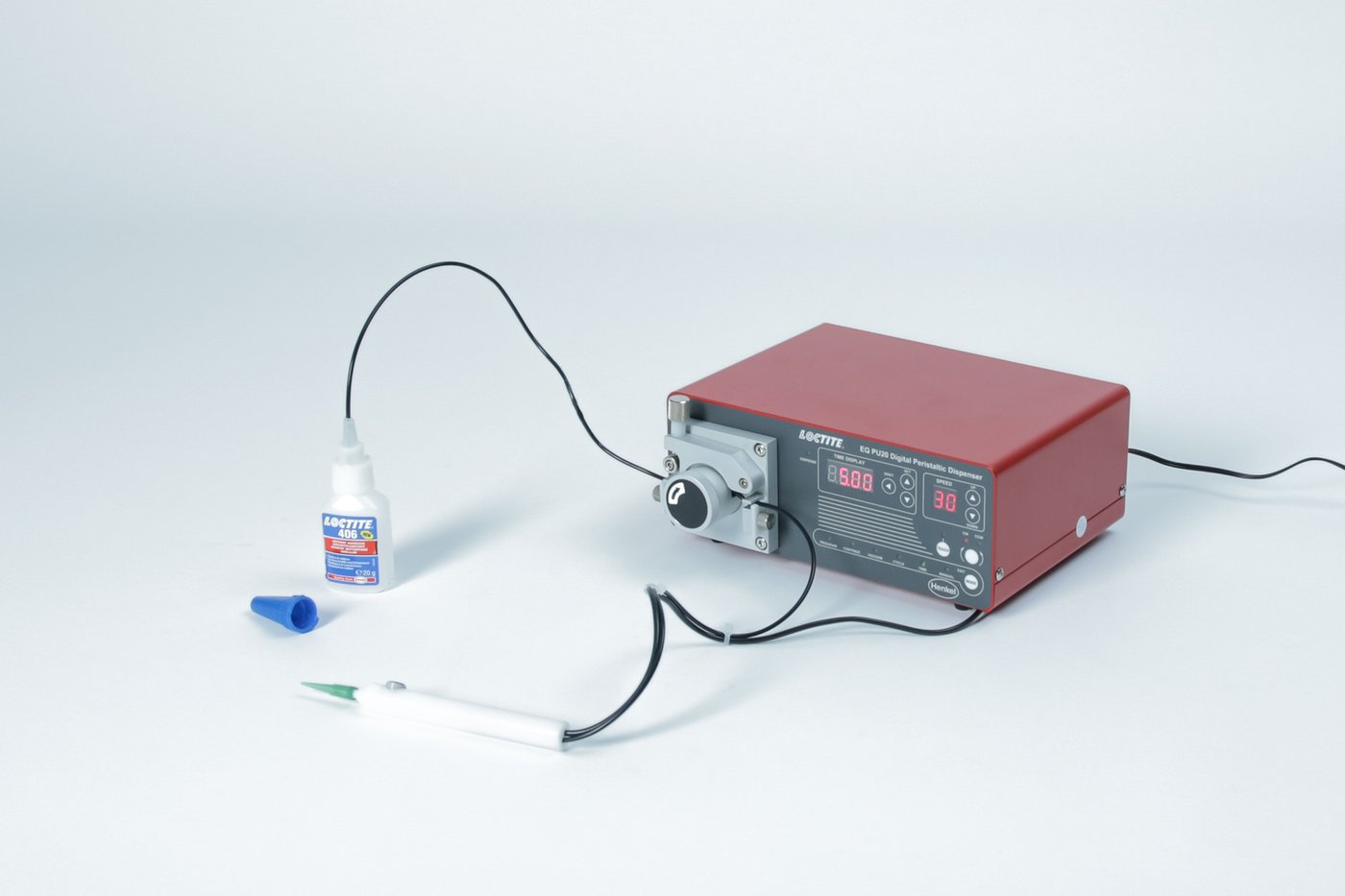
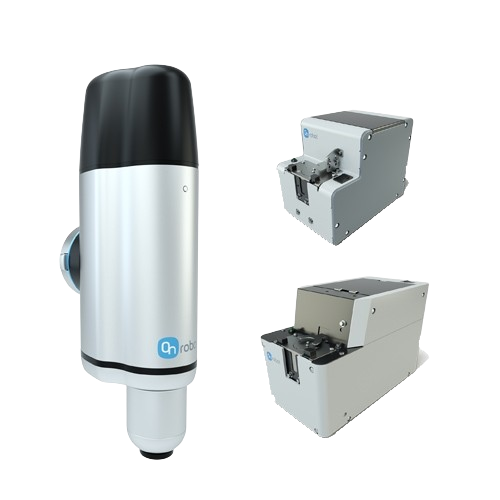
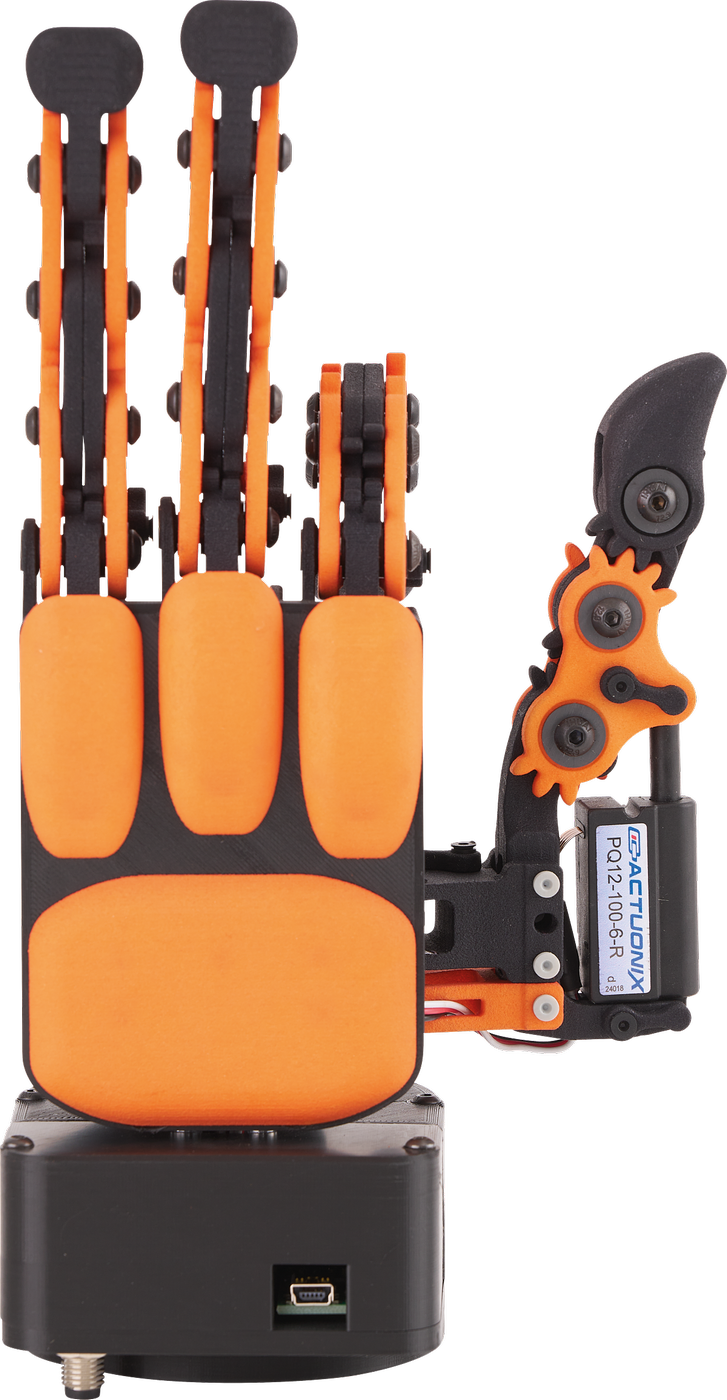
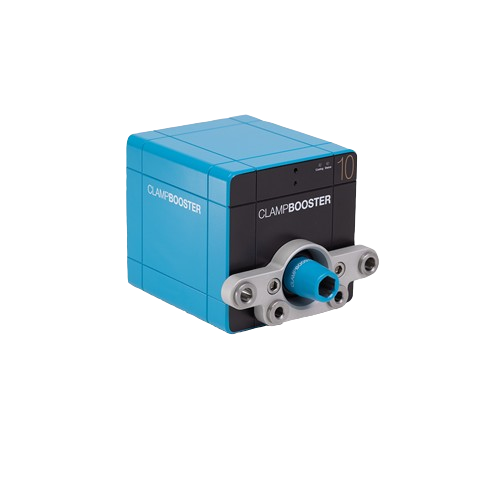
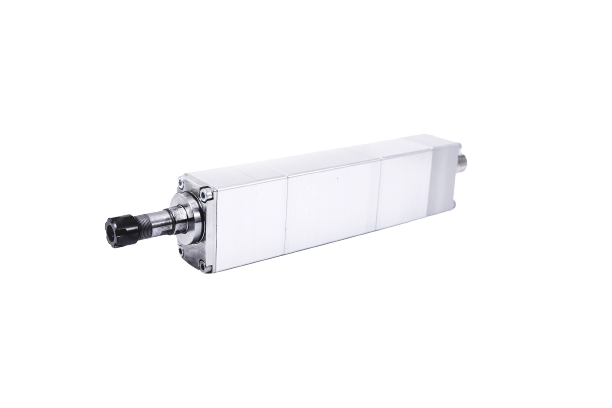
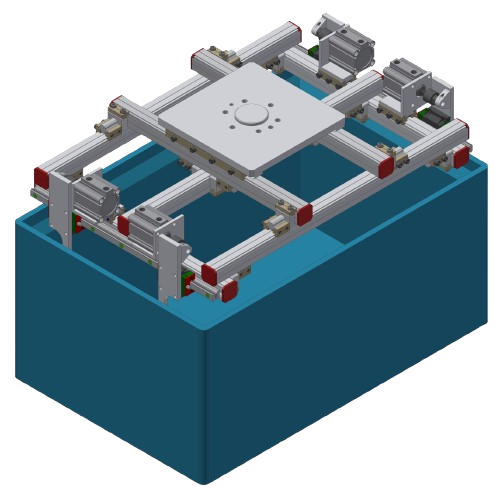
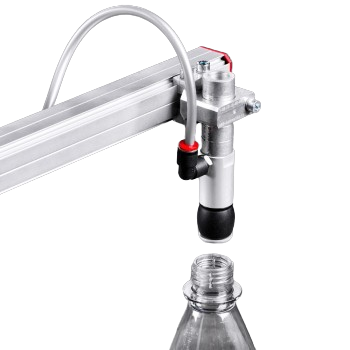
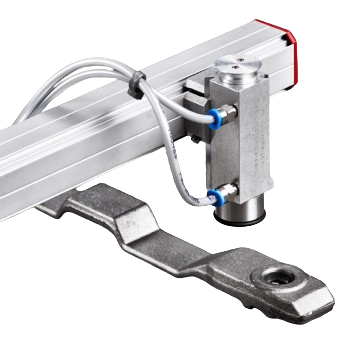
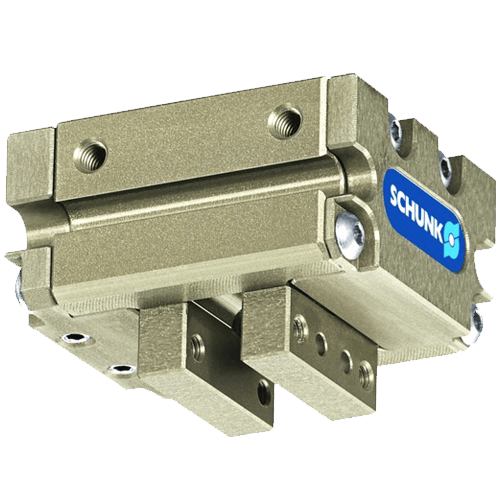
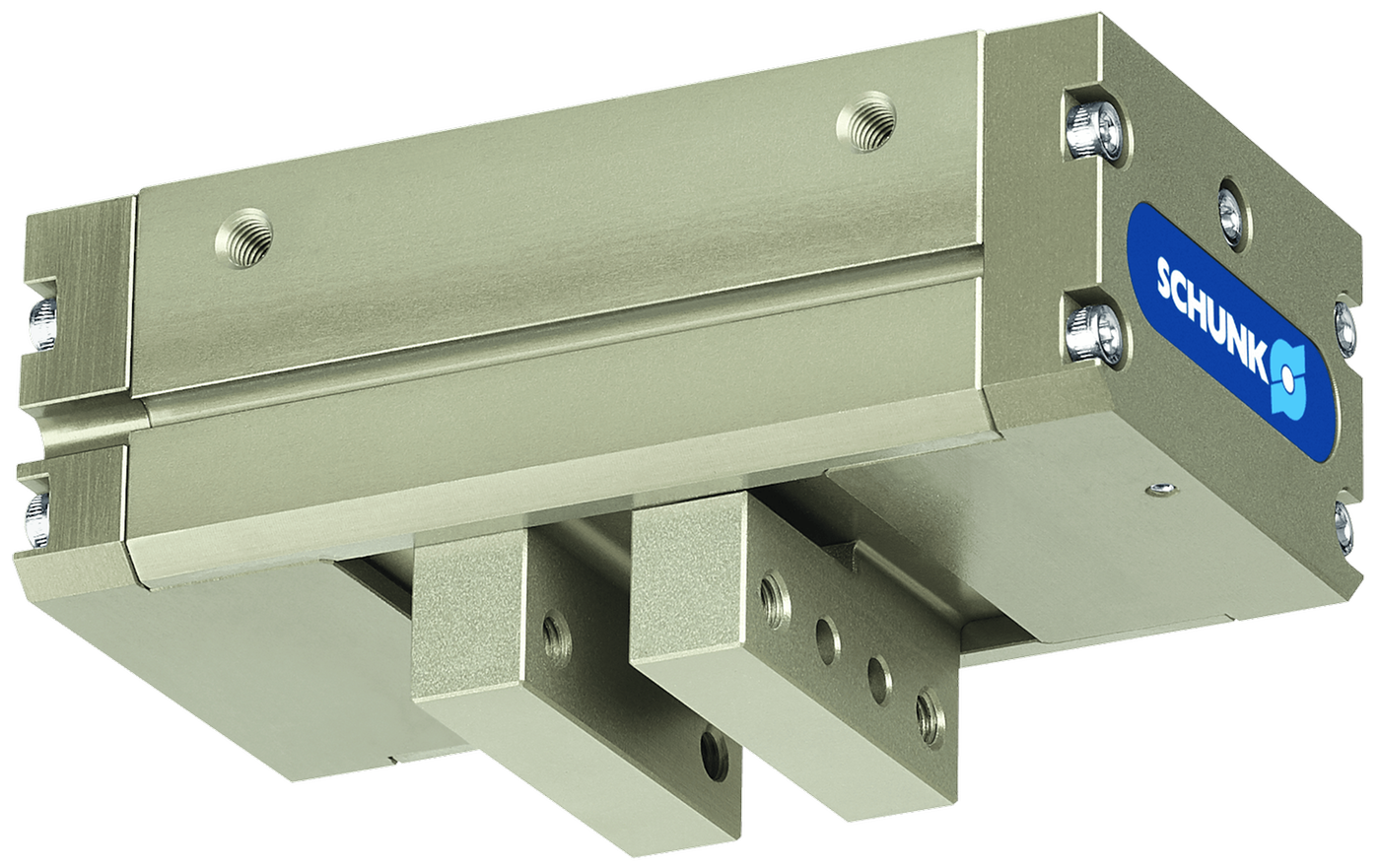
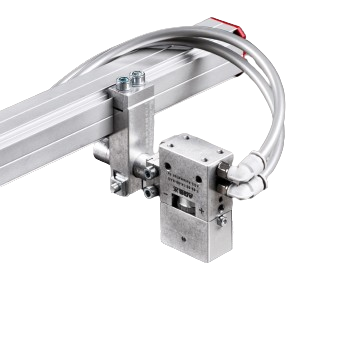
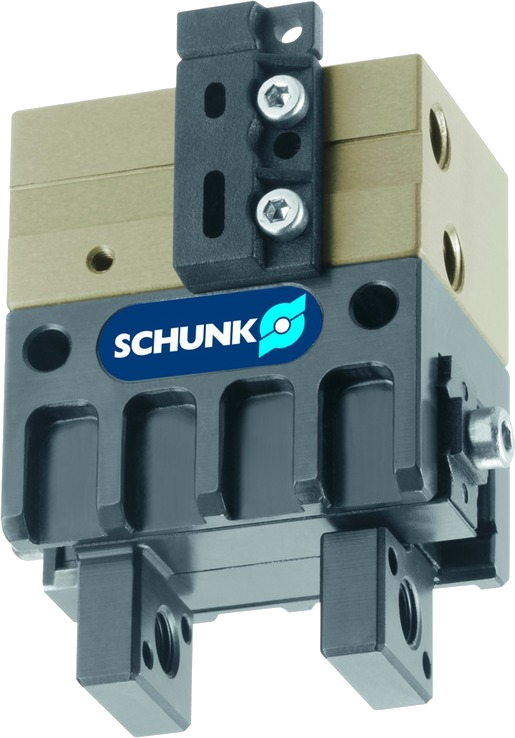
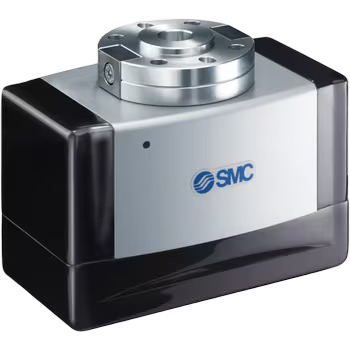
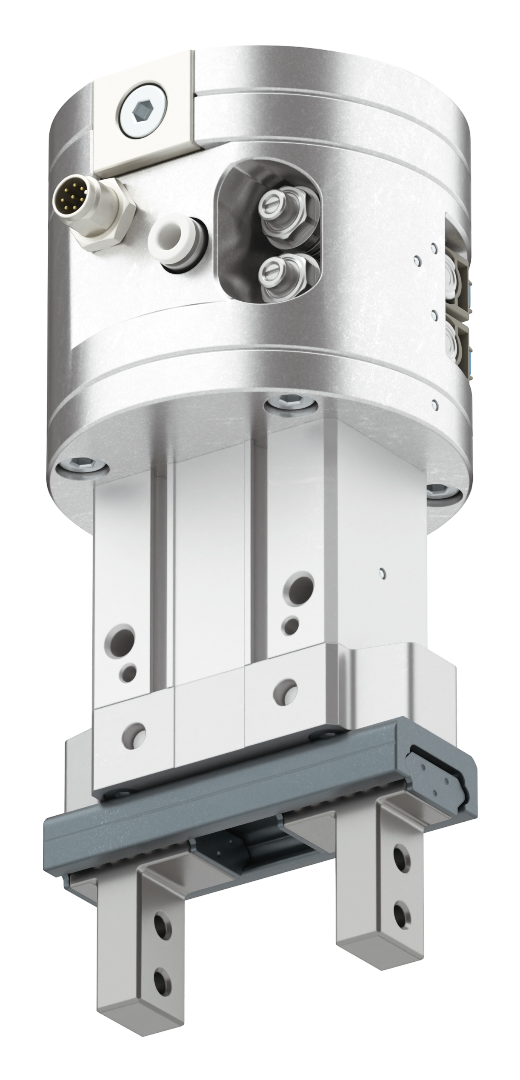
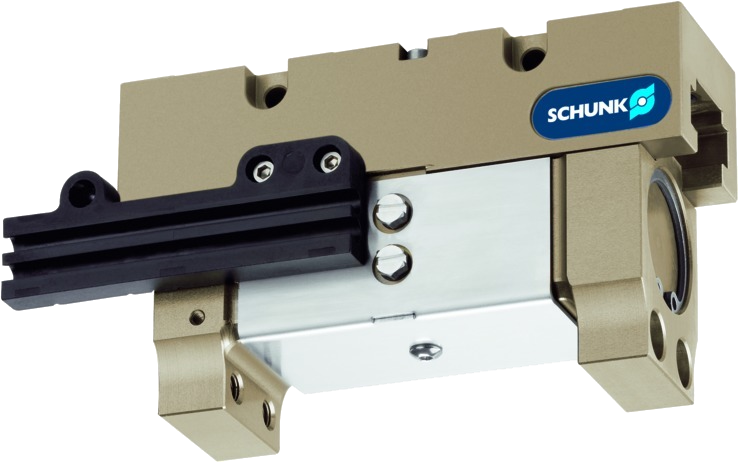
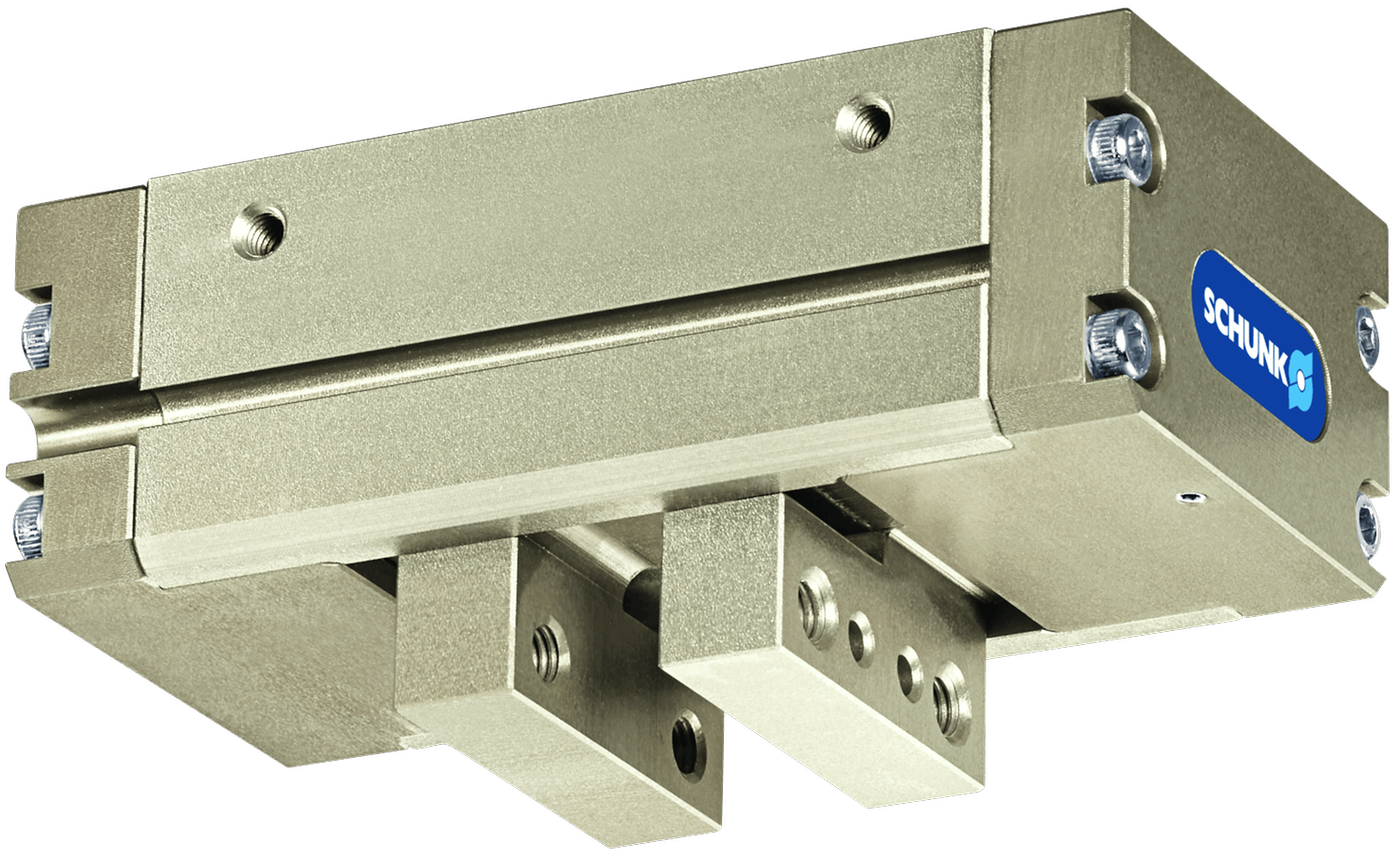
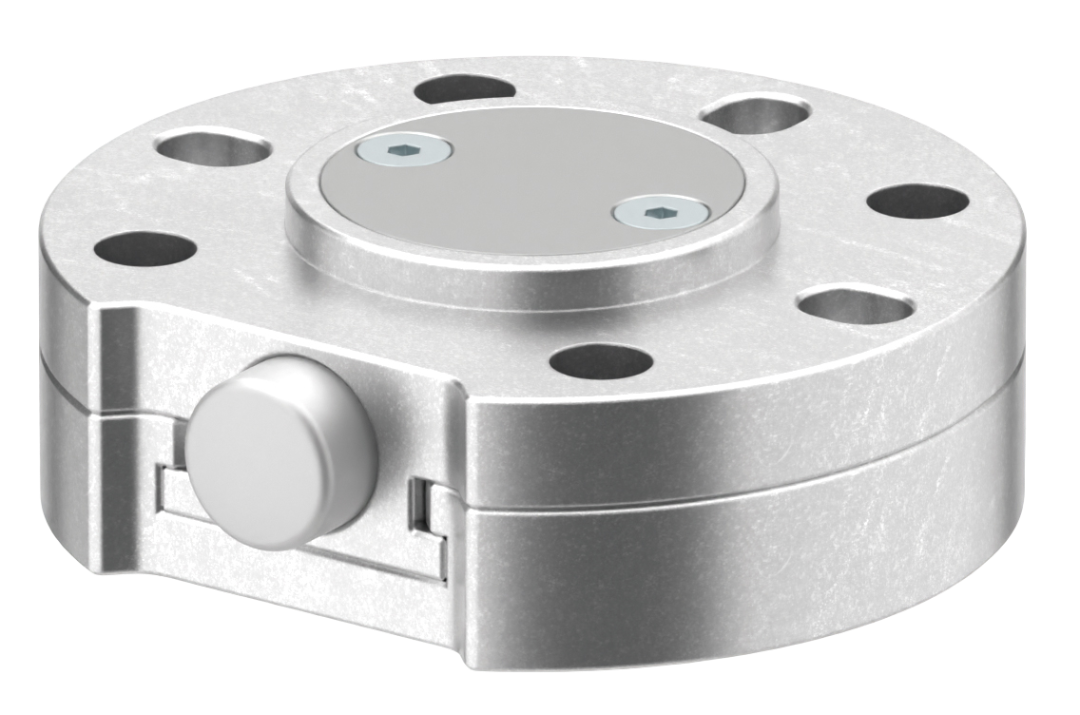
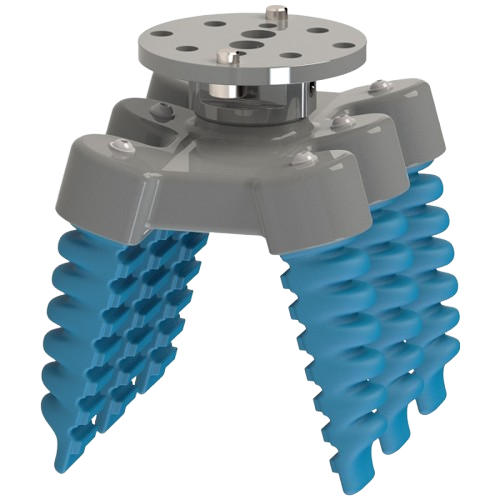
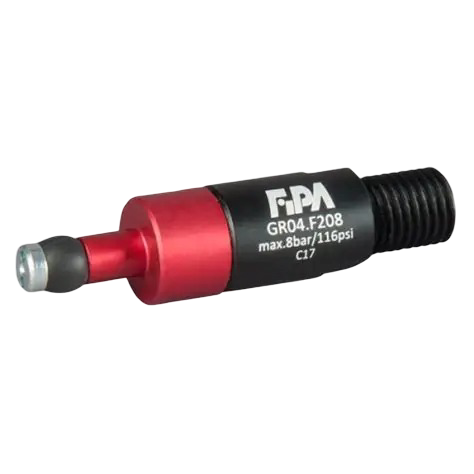
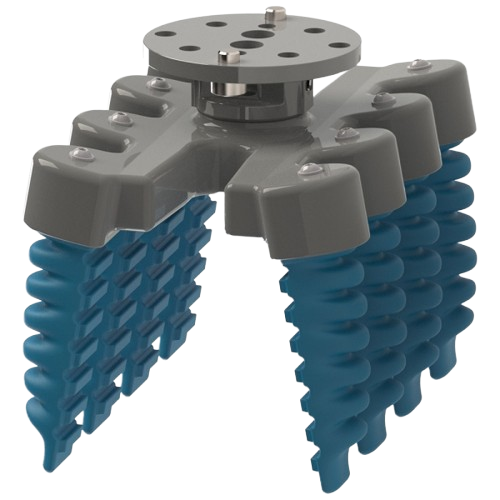
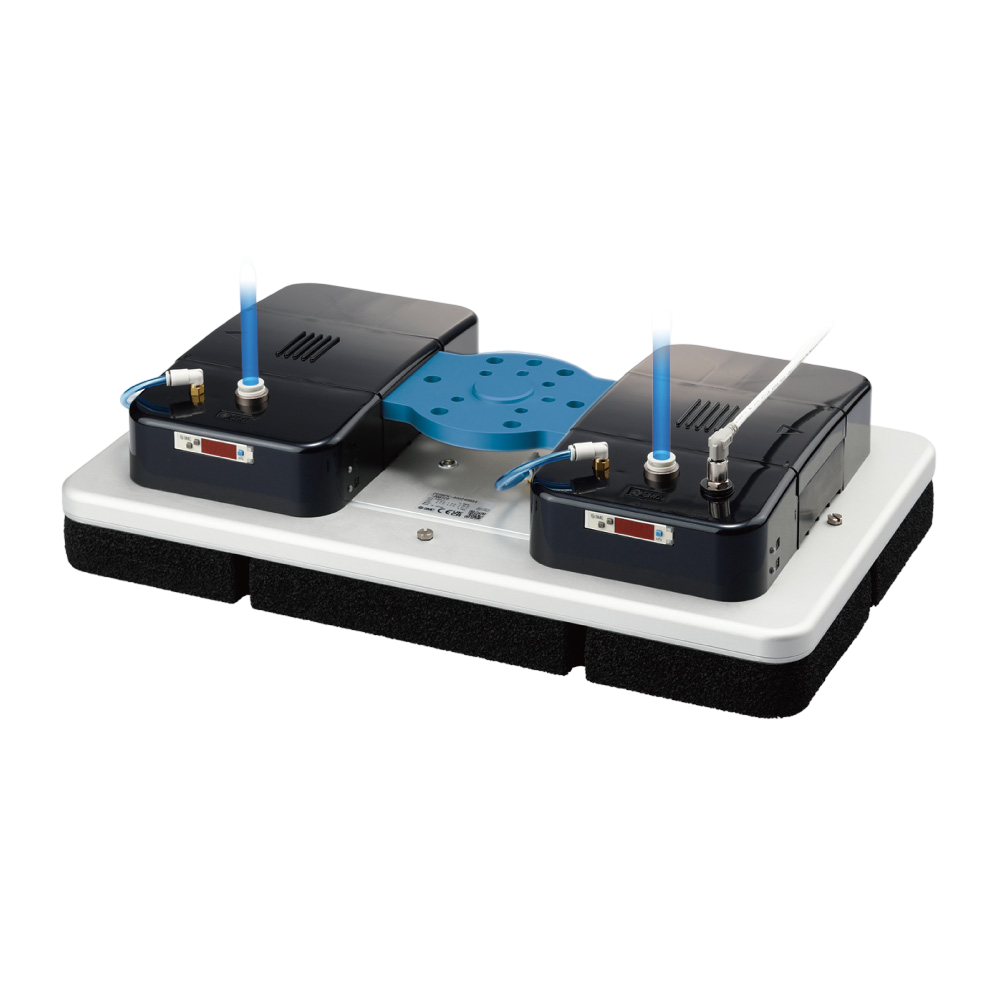
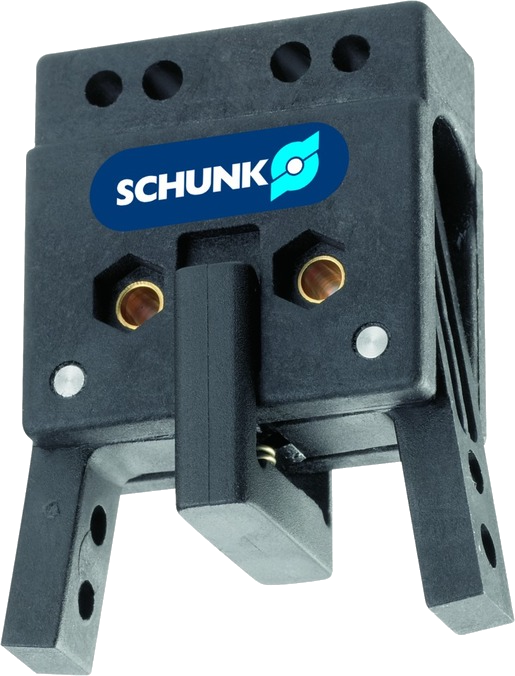
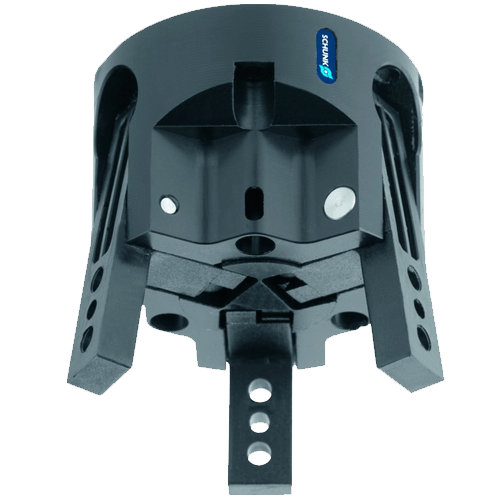
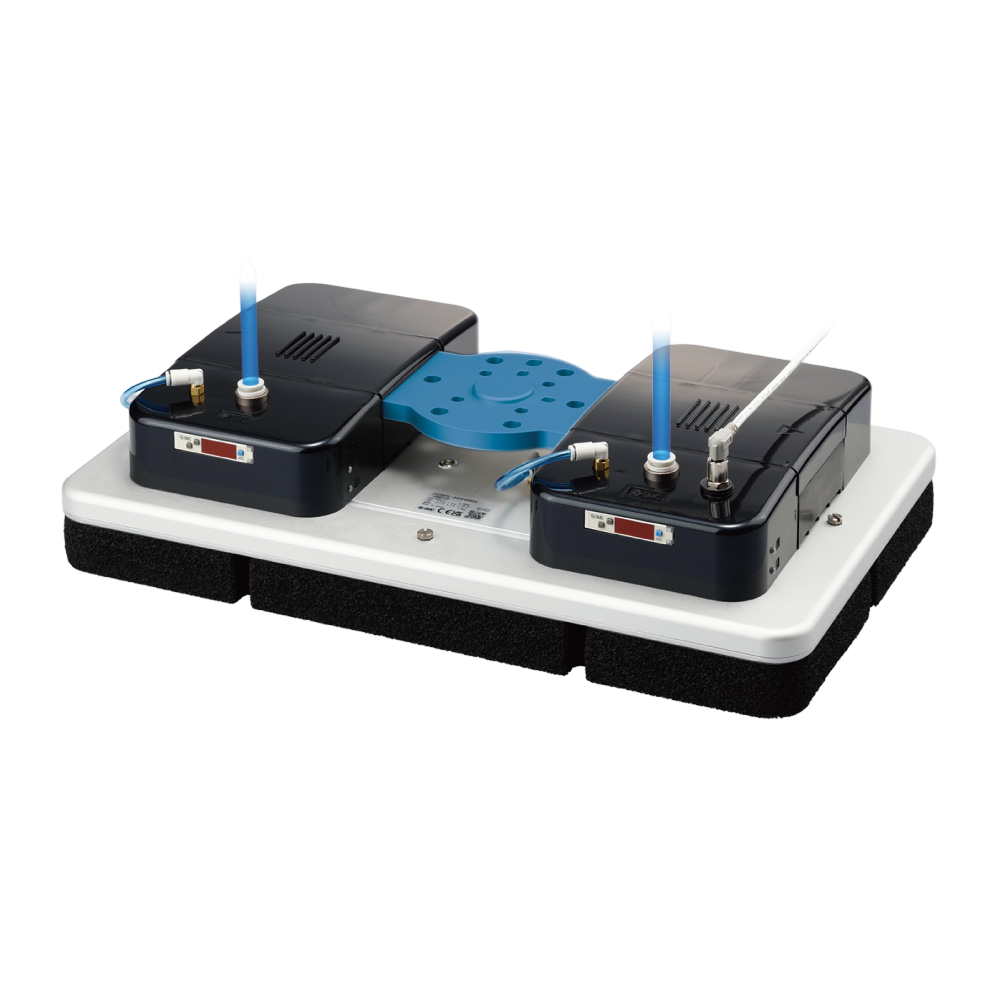
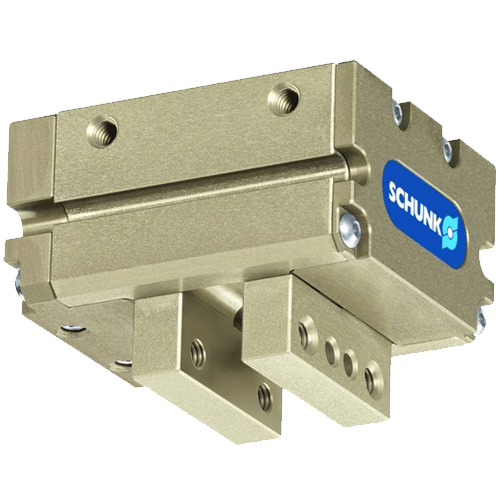

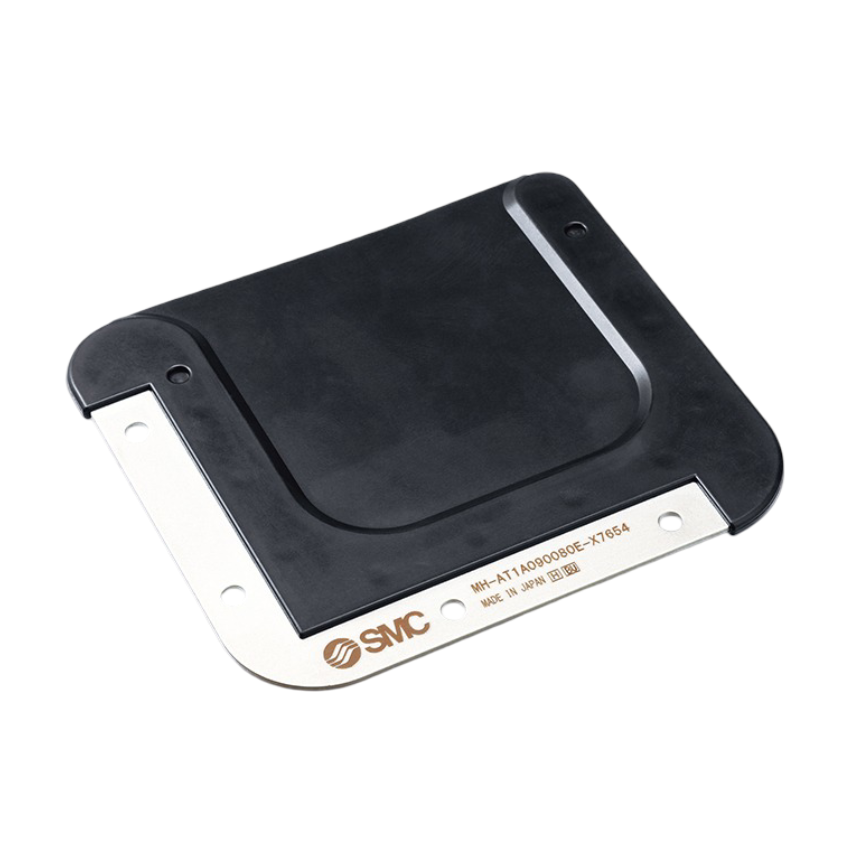
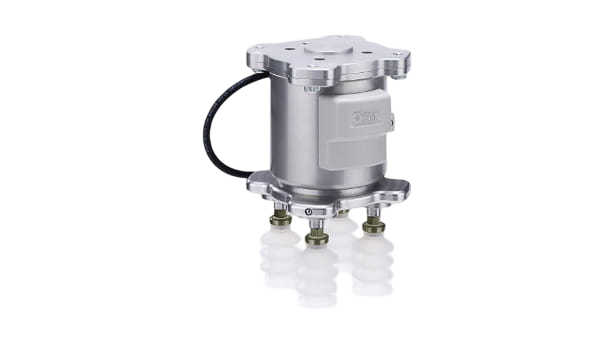
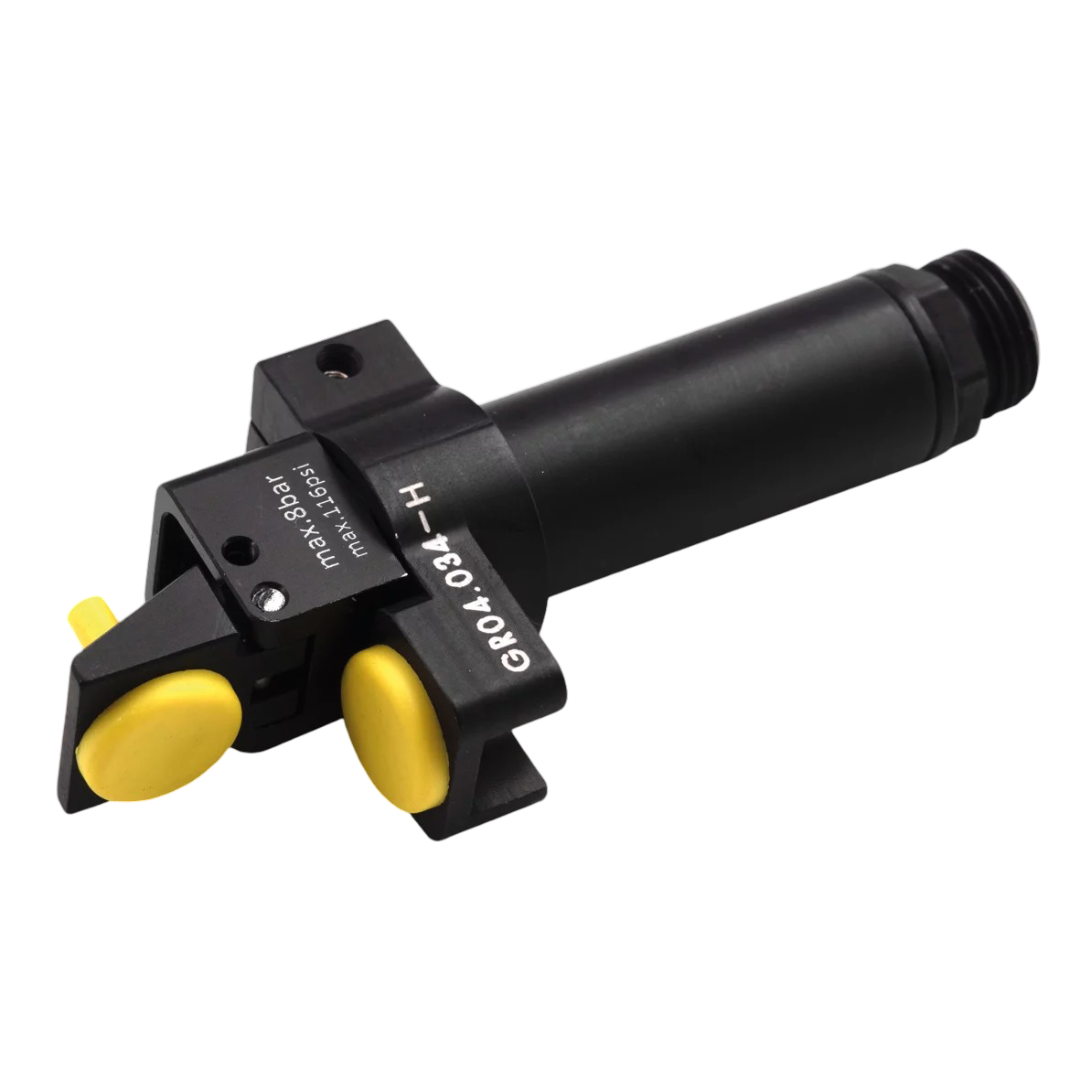
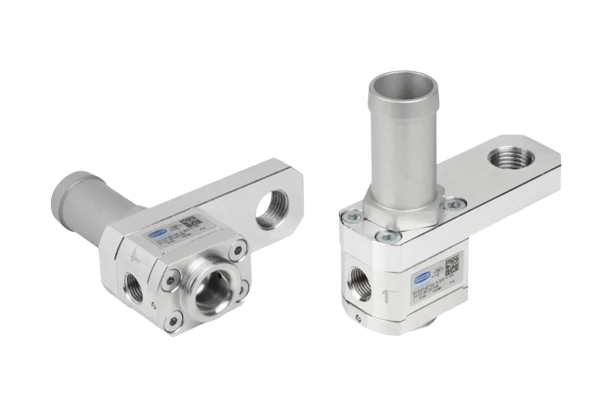
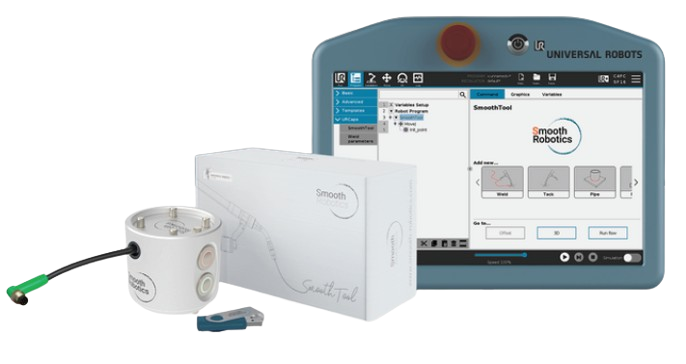
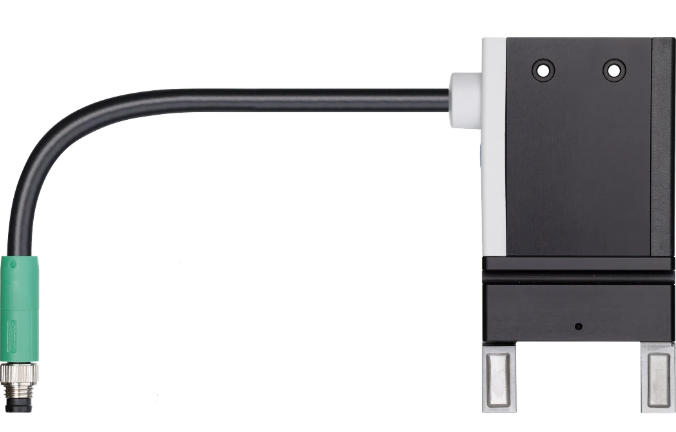
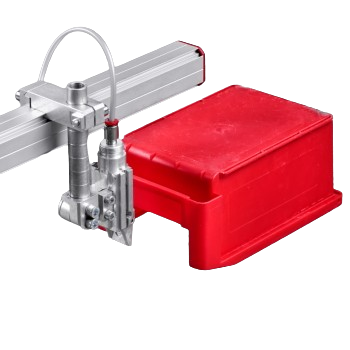
What Is an End Effector?
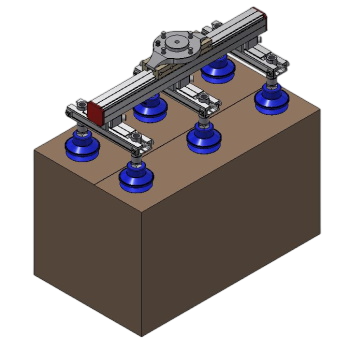
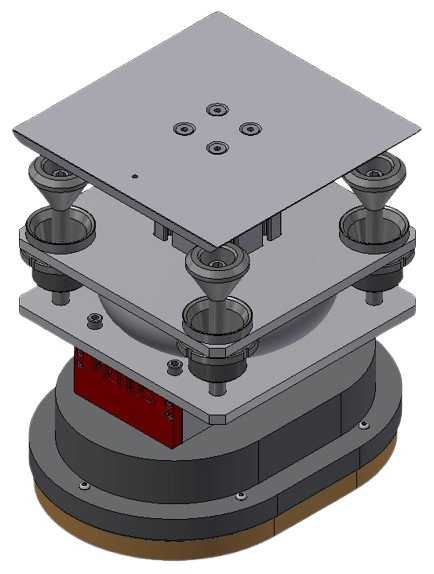
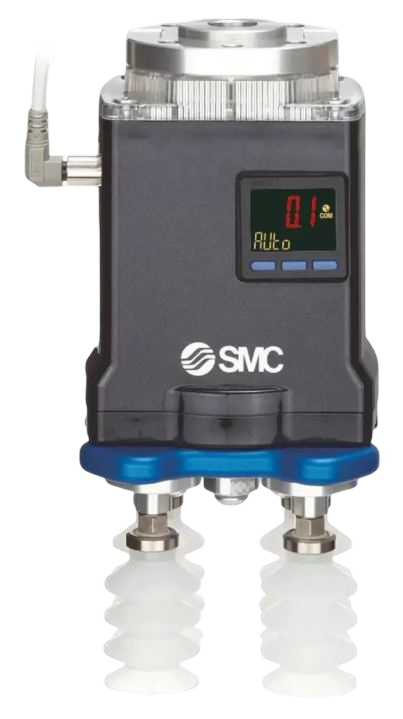
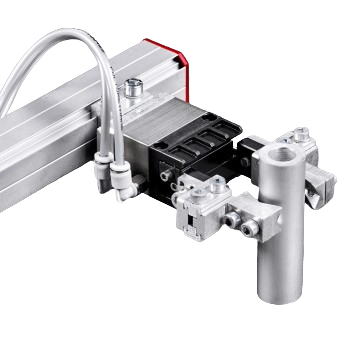
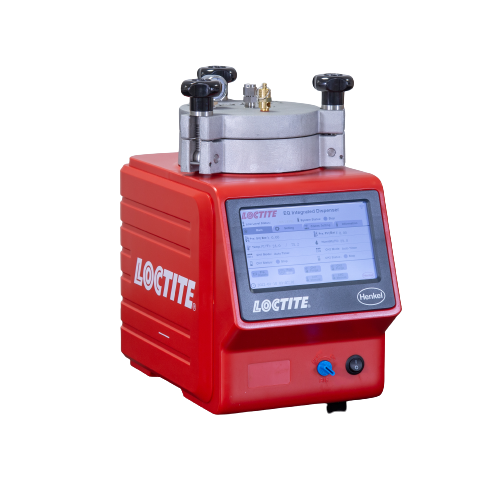
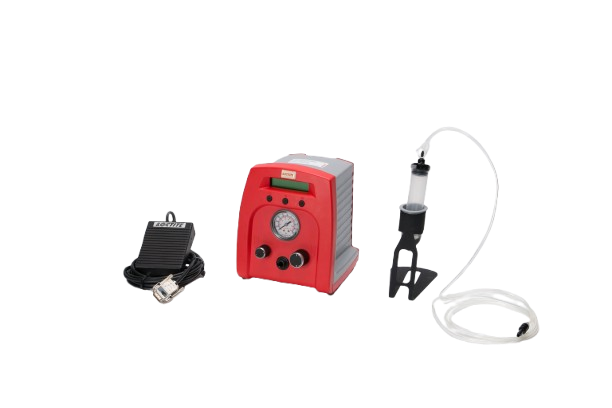
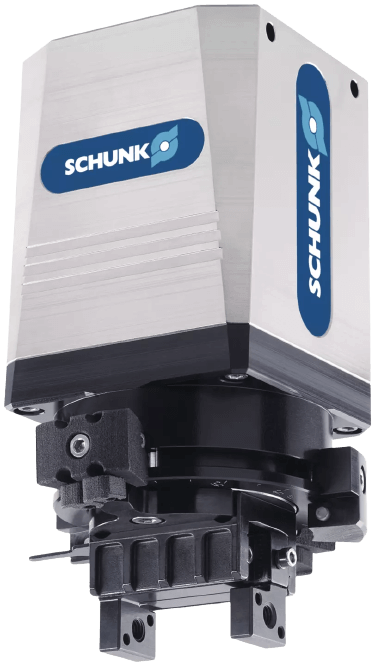
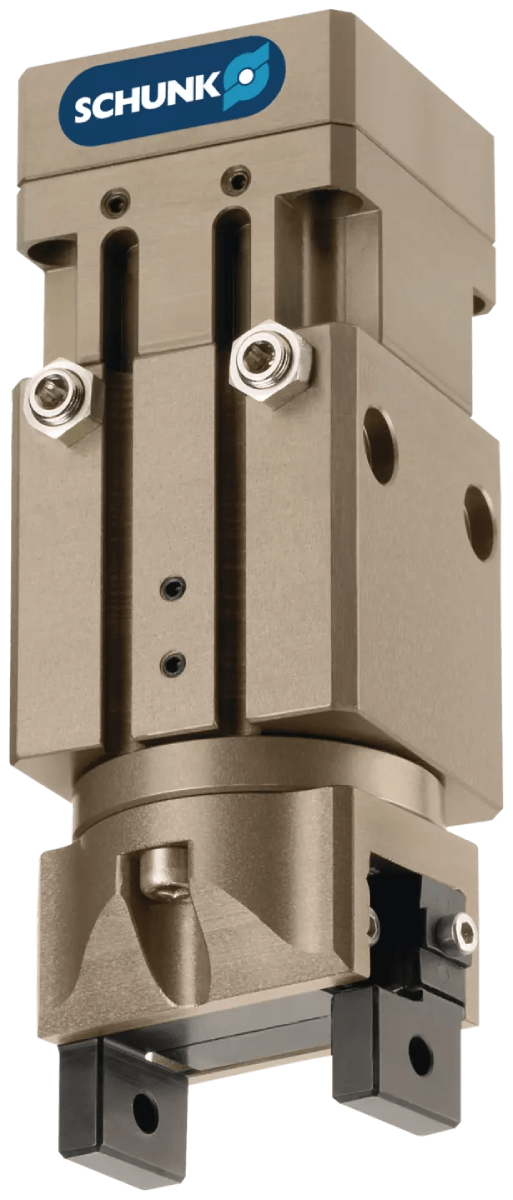
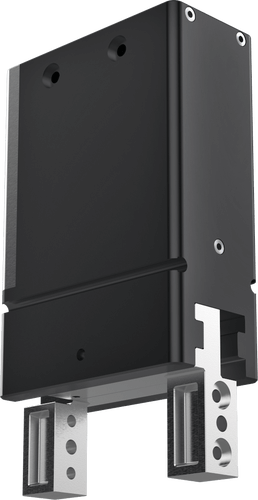
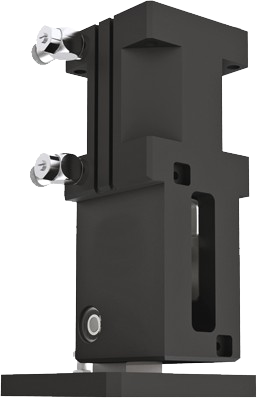
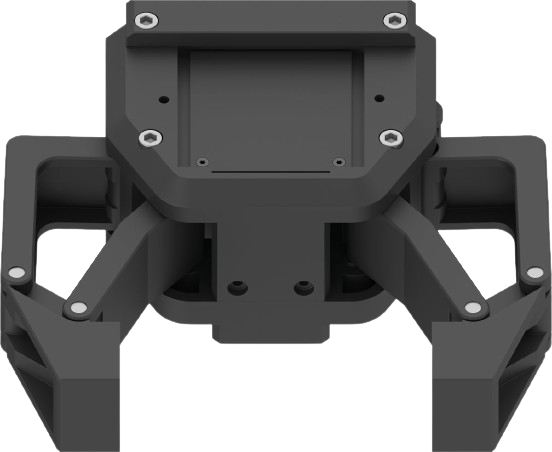
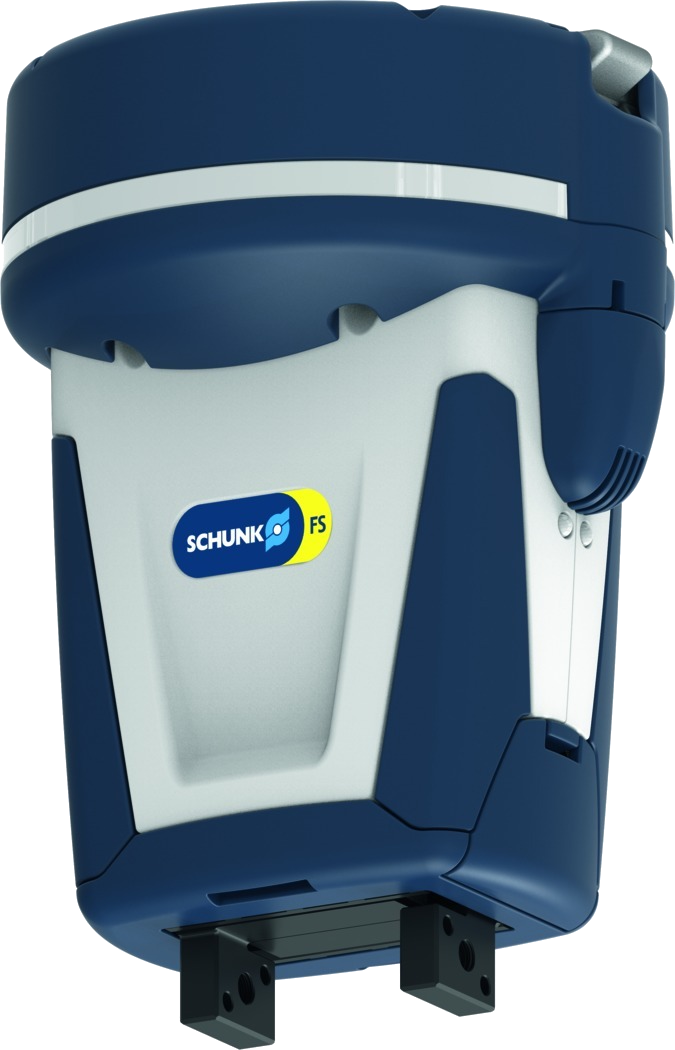
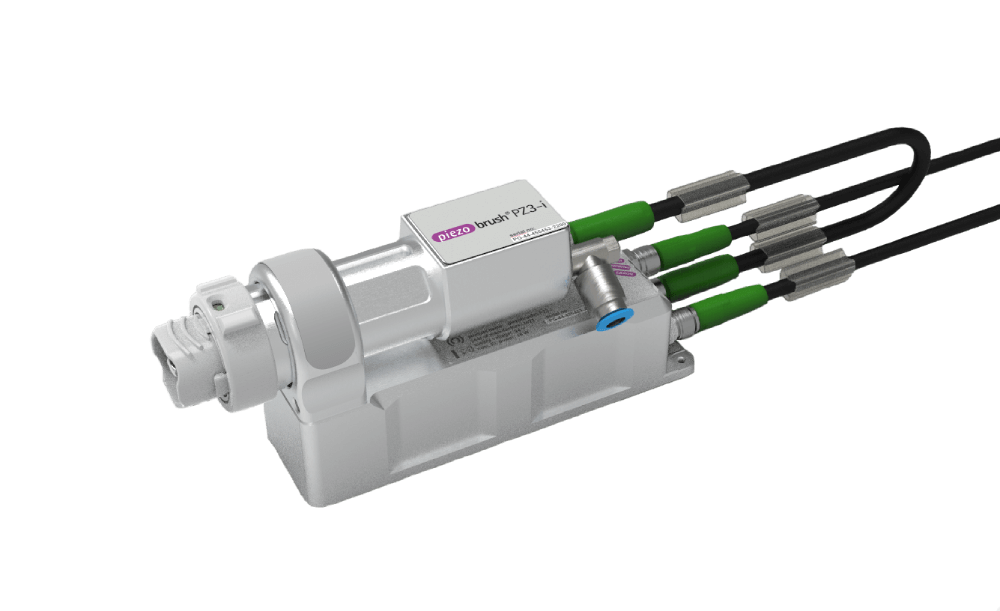
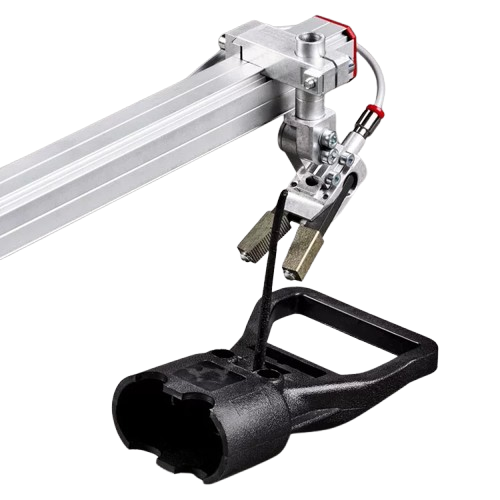
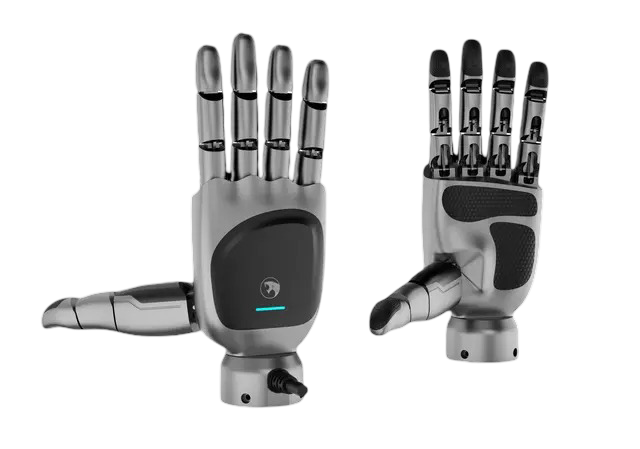
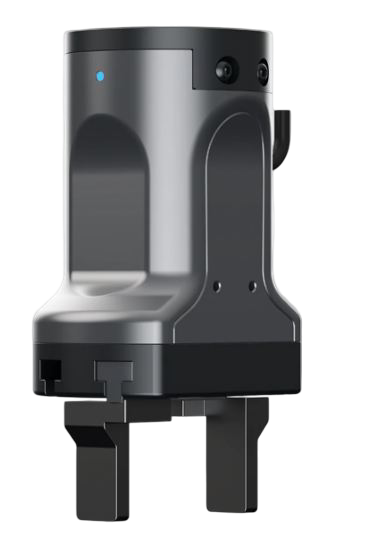
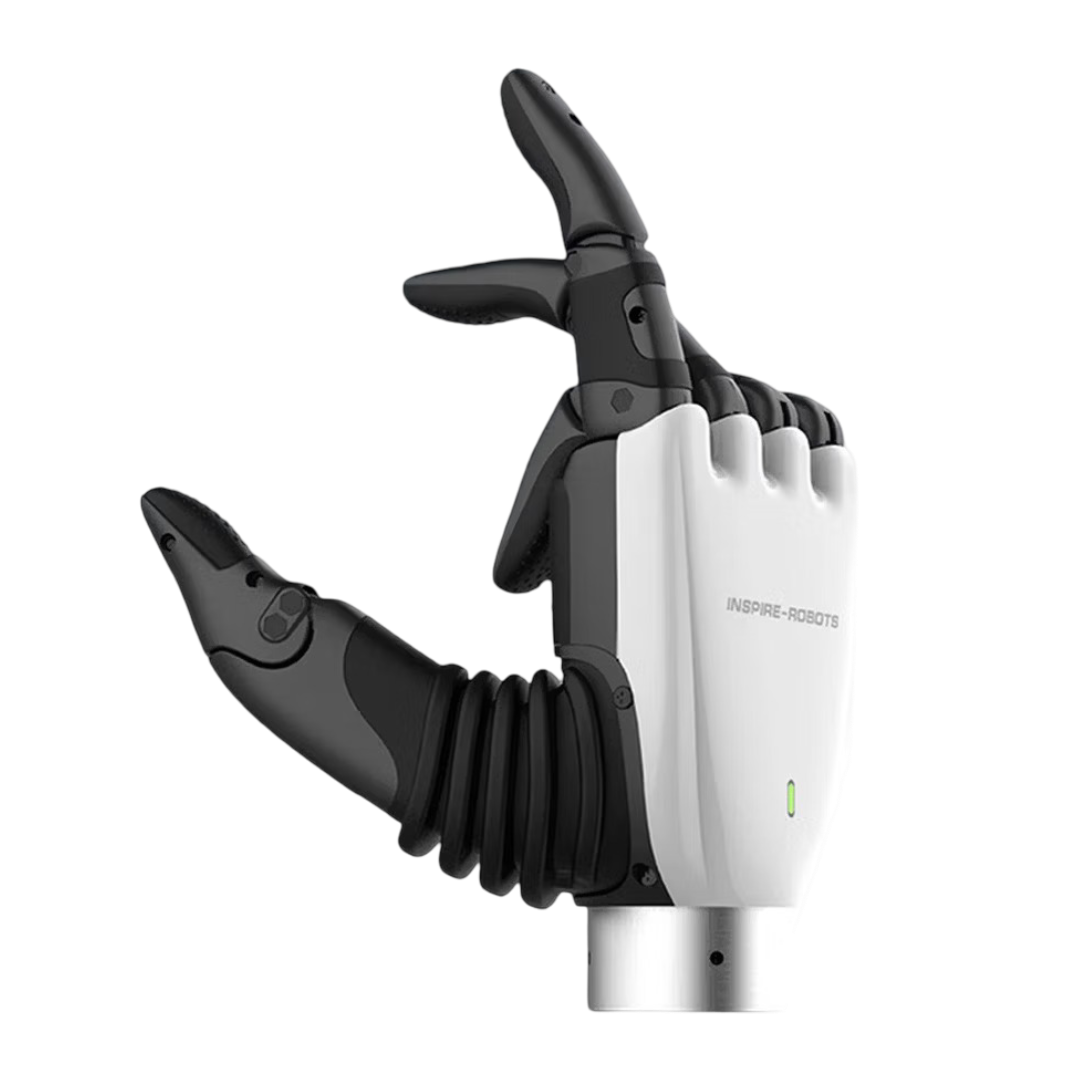
An end effector is the device attached to the wrist or tool flange of a robot arm. It creates the physical interaction between the robot and its task by gripping a part, holding a tool, applying force, inspecting a surface, or performing another process step.
The robot provides movement, reach, and positioning. The end effector performs the actual work. A robot arm may move accurately to a programmed location, but without a suitable tool it cannot pick up a component, load a machine, apply adhesive, or inspect a product.
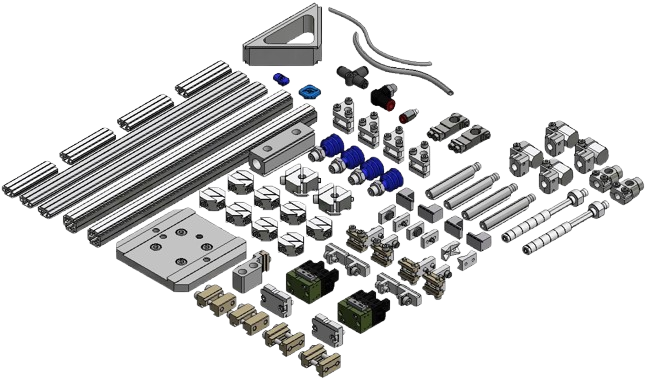
The term end-of-arm tooling (EOAT) is commonly used for the same product group. Depending on the application, EOAT may include grippers, suction systems, process tools, sensors, tool changers, and custom tooling.
Why Is the Right End Effector So Important?
Companies often begin an automation project by comparing robot arms. In practice, the end effector frequently determines whether the completed application is reliable, fast, and economical.
An unsuitable tool can cause dropped parts, inconsistent positioning, damaged surfaces, excessive cycle times, or unnecessary production stops. An oversized tool may also consume too much of the robot’s available payload and reduce its usable reach or acceleration.
The best robot end effector is therefore not necessarily the strongest or most advanced option. It is the tool that matches the part, process, robot, production environment, and required cycle time without adding unnecessary complexity.
End-effector selection should begin early in the planning process. Evaluating the robot, workpiece, tool, and application as one system generally reduces integration effort and makes technical risks easier to identify before purchasing.
What Are the Main End Effector Types?
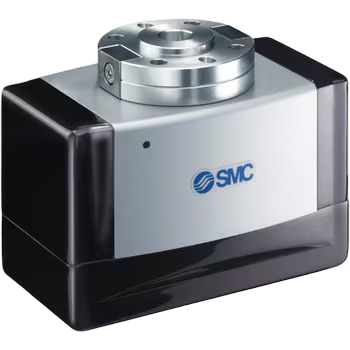
There are many different designs, but most end effector types can be grouped according to the task they perform. Grippers hold and move parts, process tools modify them, and sensors collect information from the robot’s environment. Tool changers can be positioned between the robot wrist and the tool to support automatic changes between multiple operations.
Mechanical Grippers
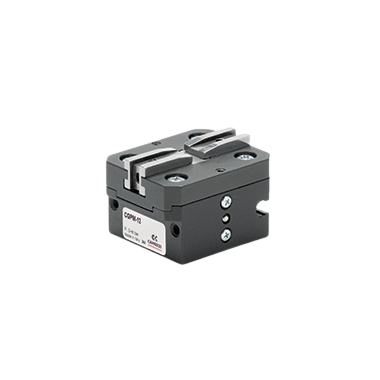
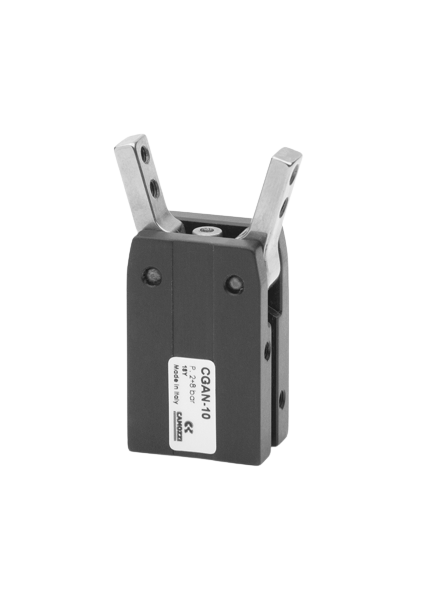
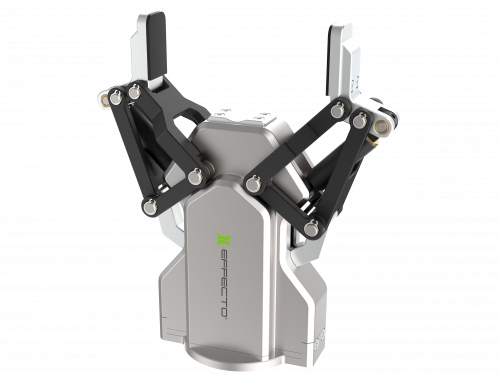
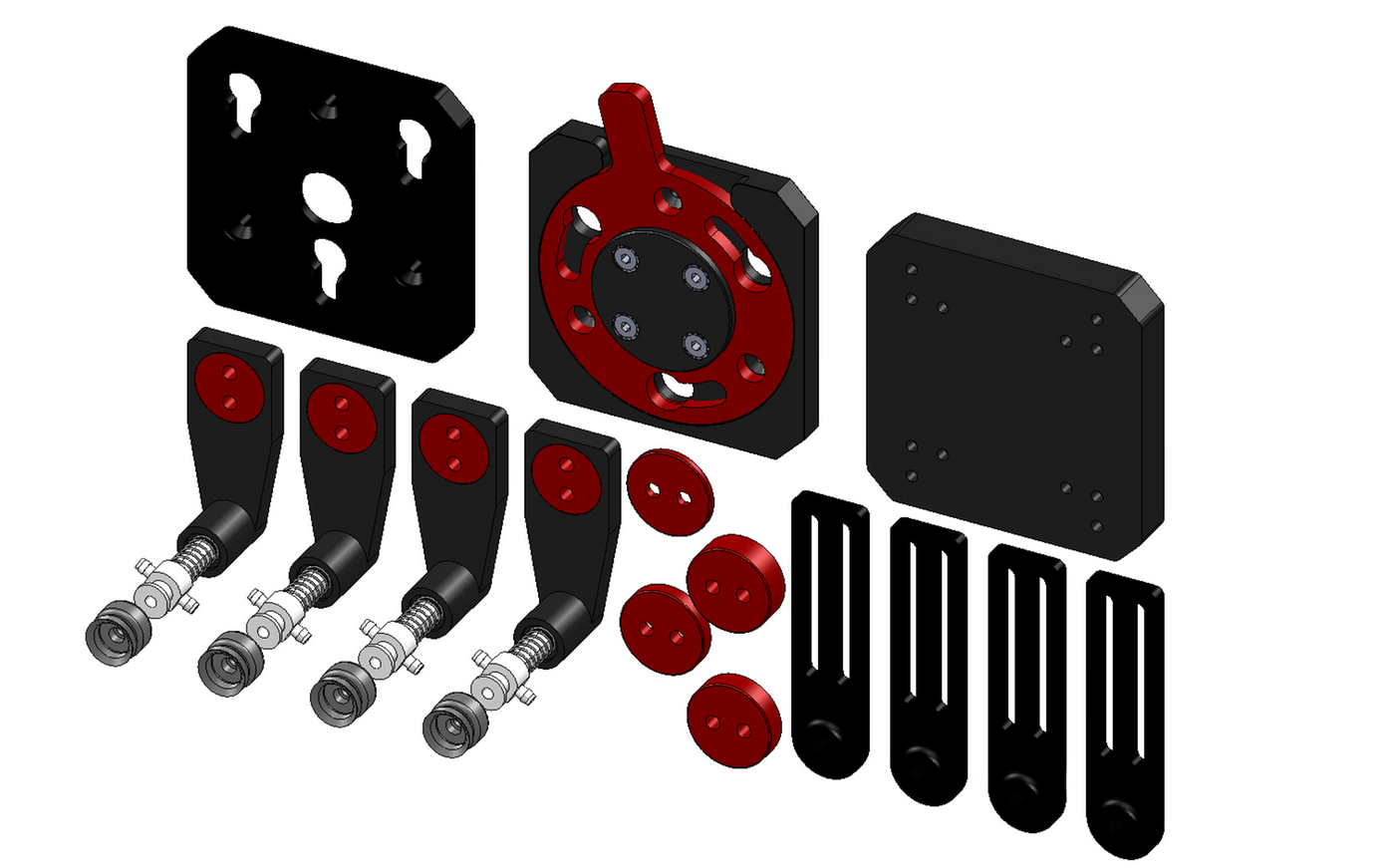
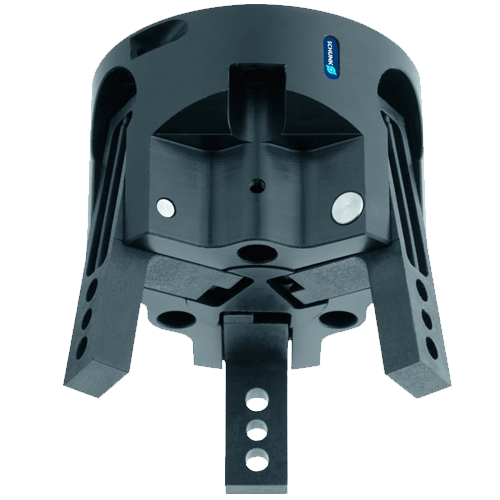
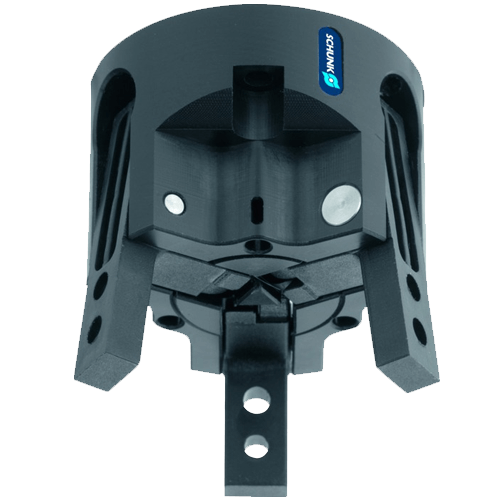
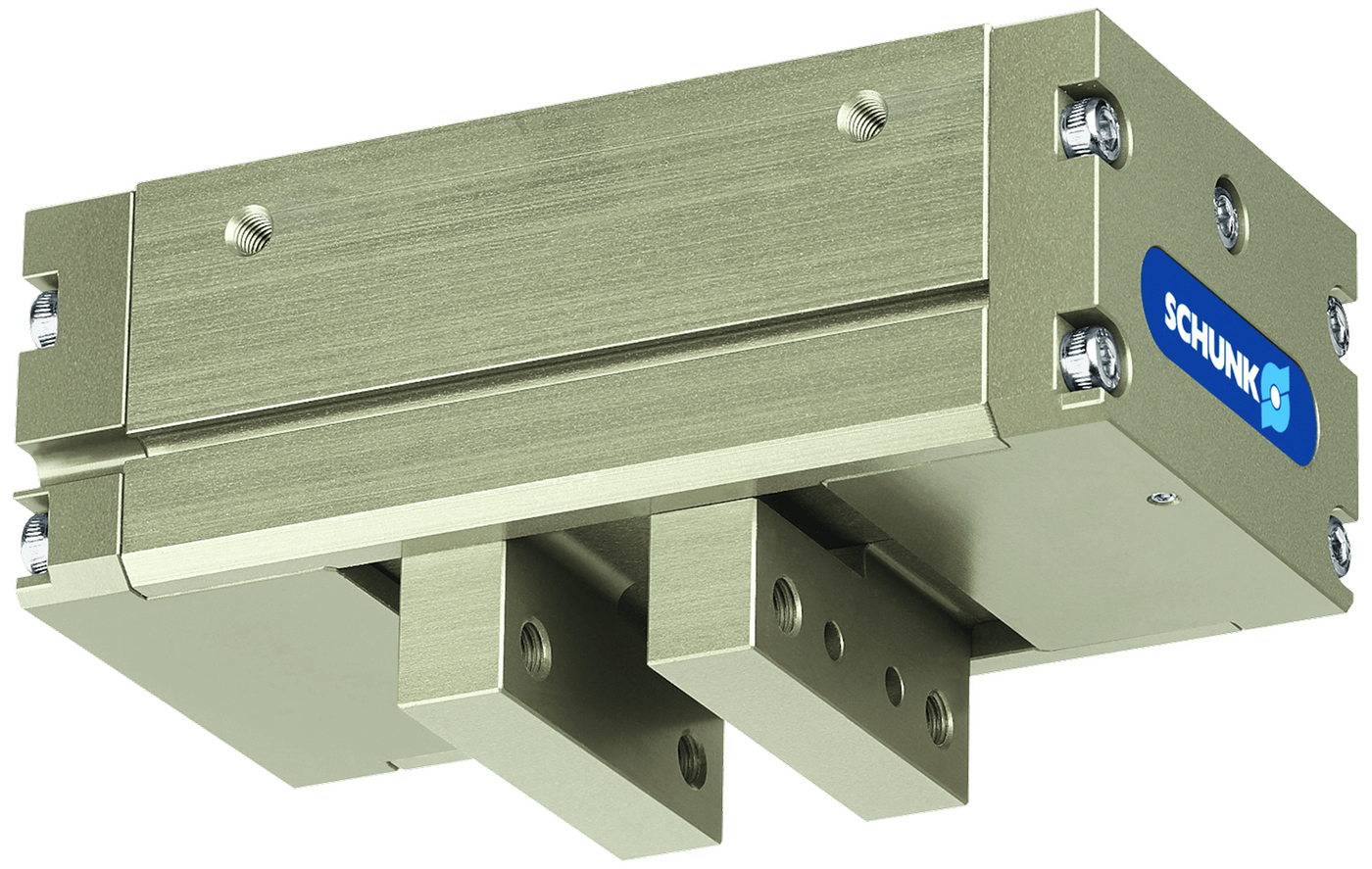
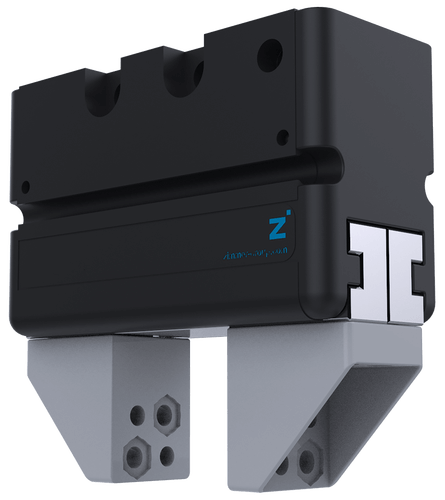
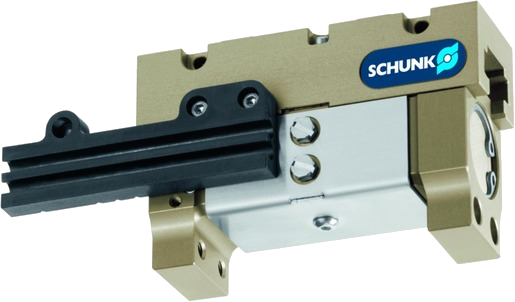
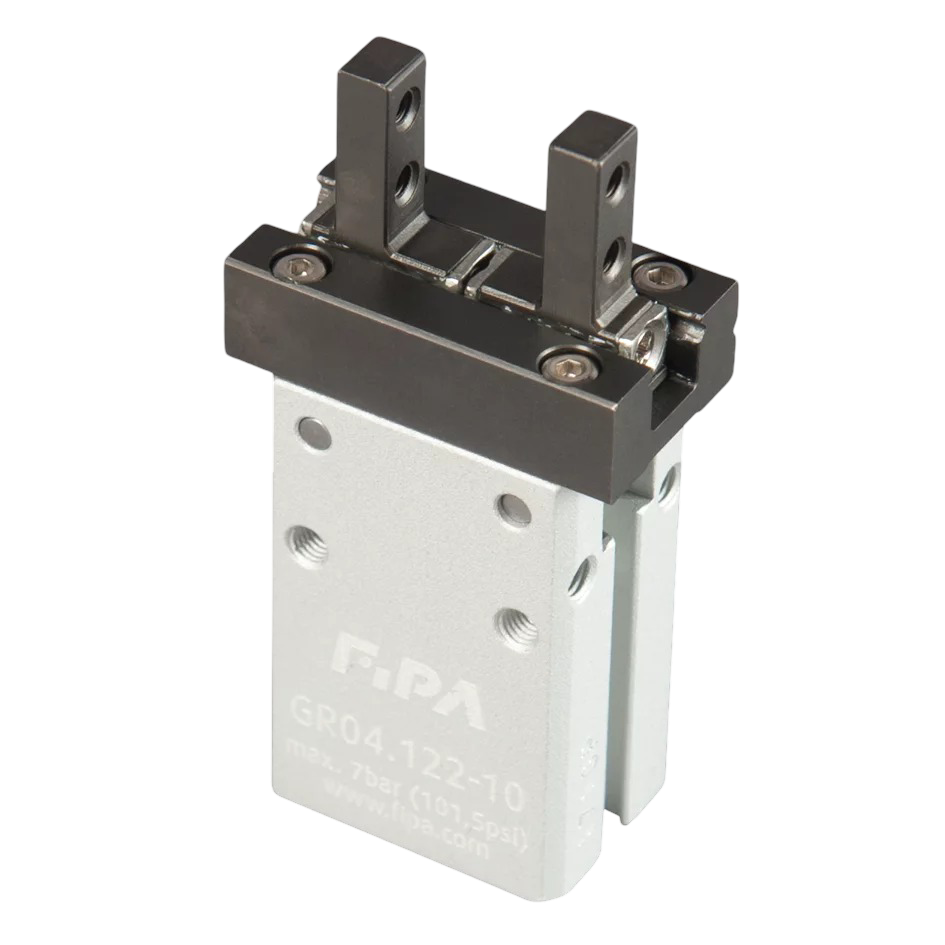
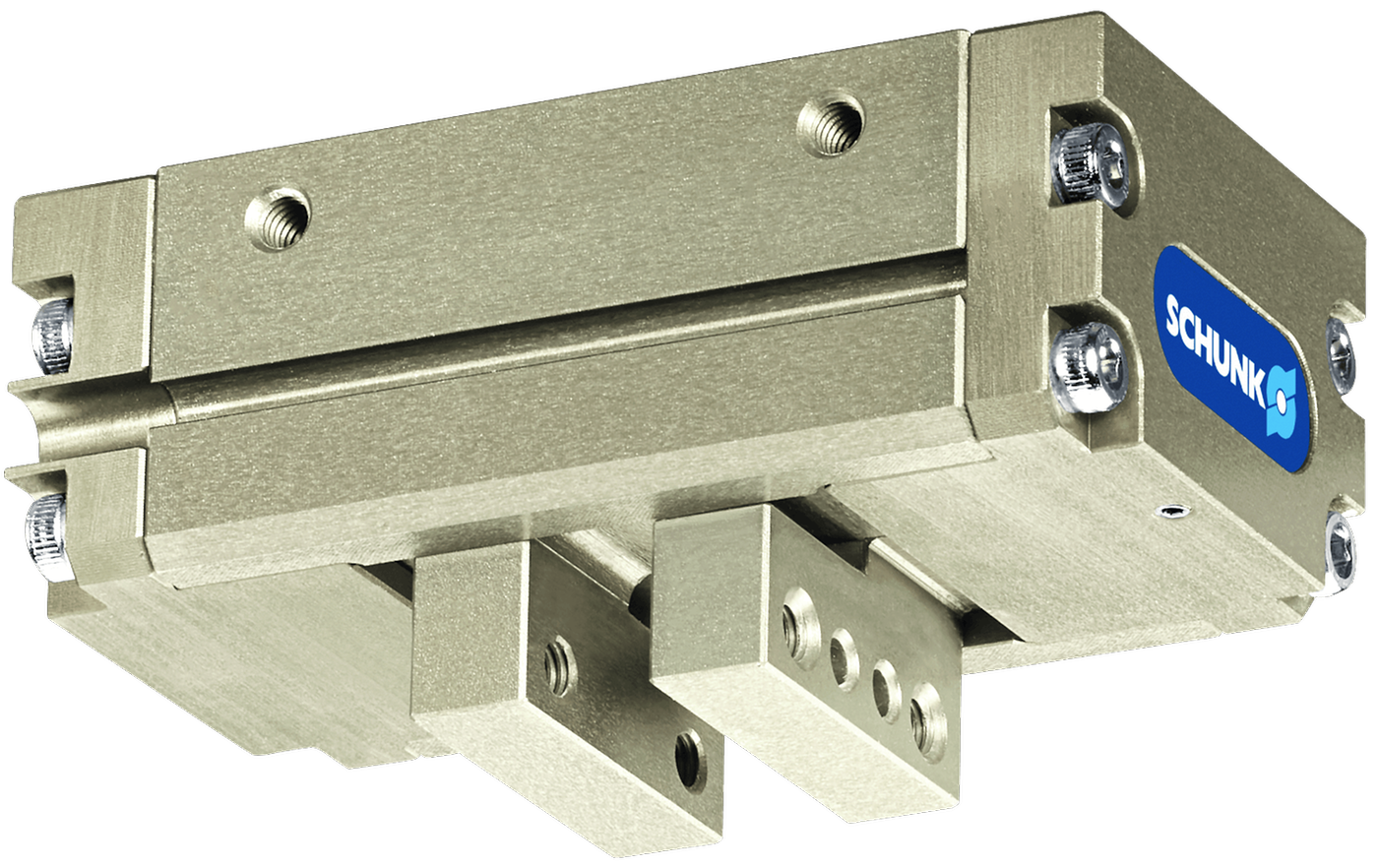
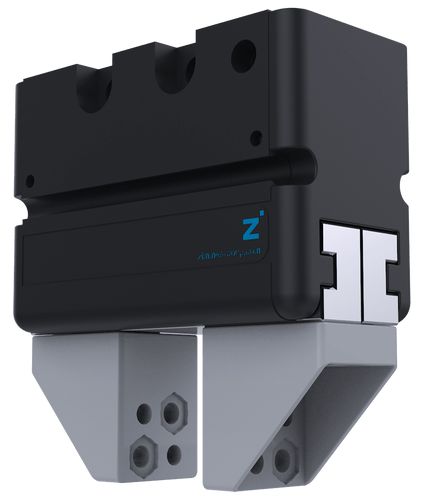
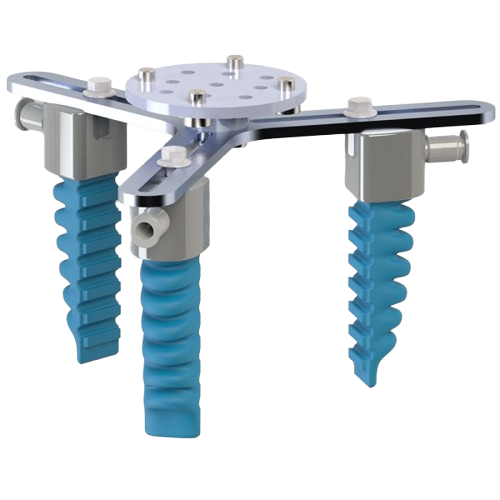
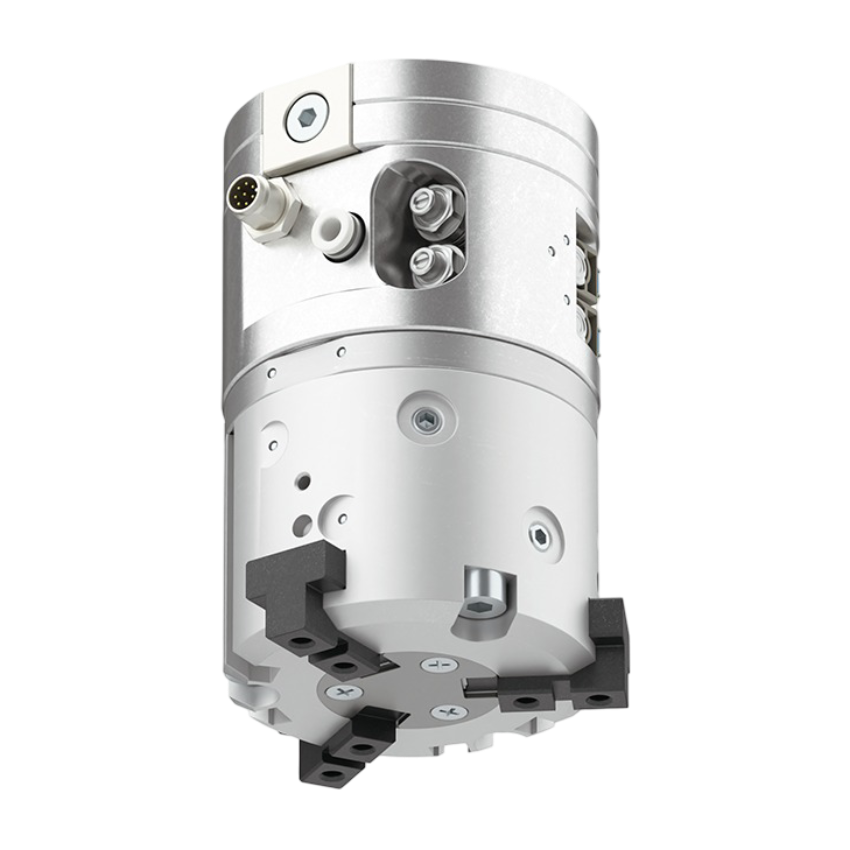
A mechanical robot gripper uses fingers or jaws to hold a component through physical contact. Two-finger parallel grippers are common for parts with defined dimensions, while angular, three-finger, and custom-finger designs support other geometries.
Mechanical grippers are frequently used for pick and place, machine tending, assembly, sorting, and part transfer. Their suitability depends on the gripping position, required opening stroke, part geometry, surface sensitivity, and the direction in which forces occur during movement.
Standard jaws may be sufficient for simple parts. Irregular, delicate, or highly variable components may require customized fingers, adaptive gripping, or additional sensing.
Vacuum Grippers
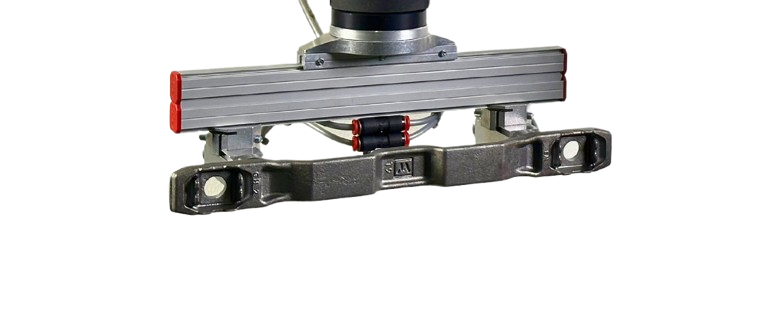
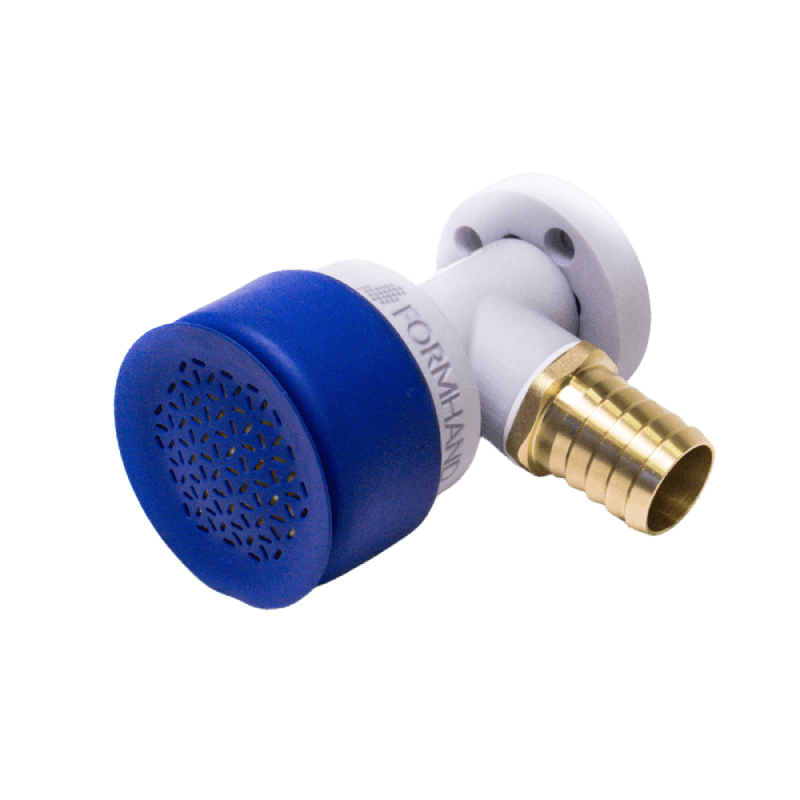
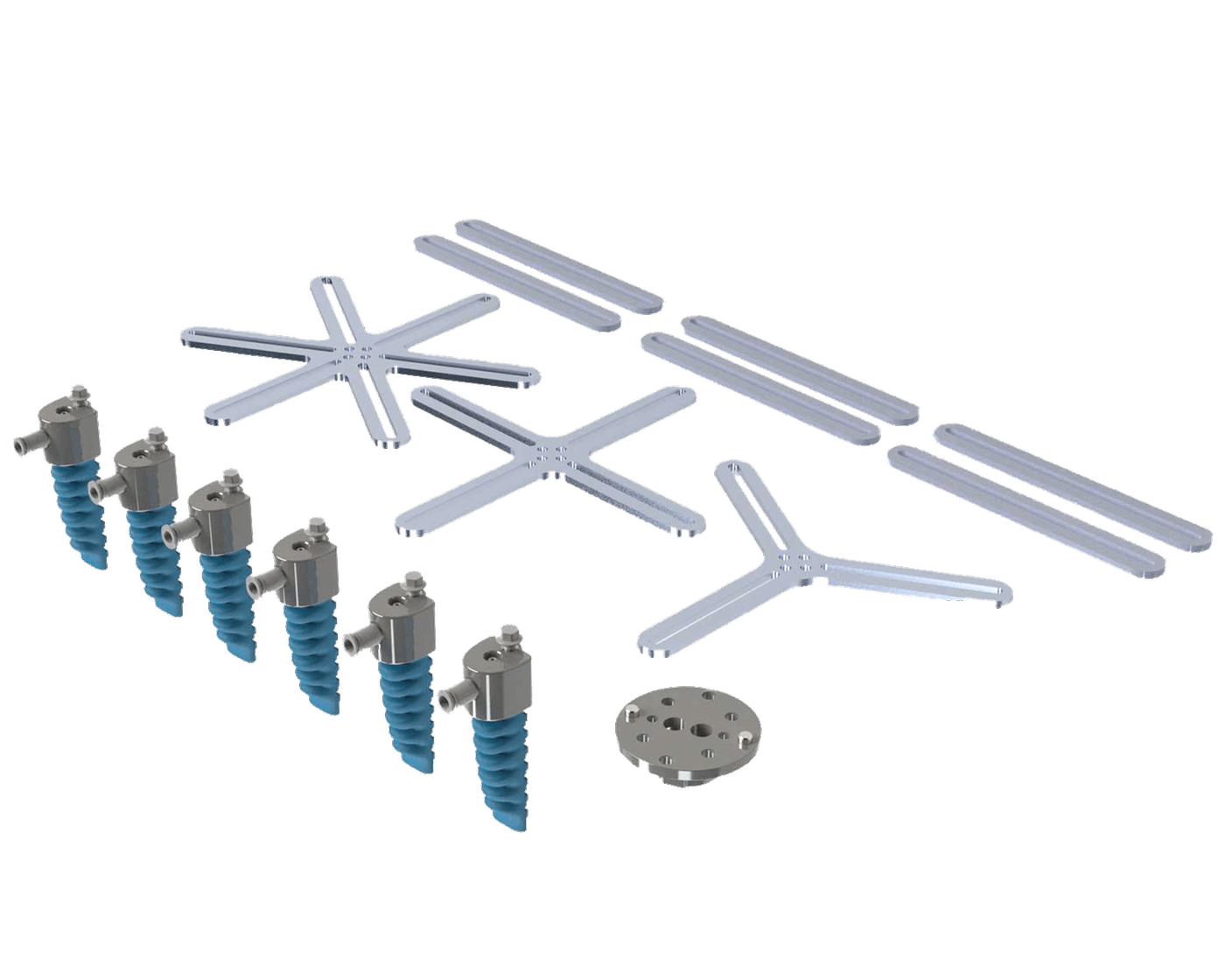
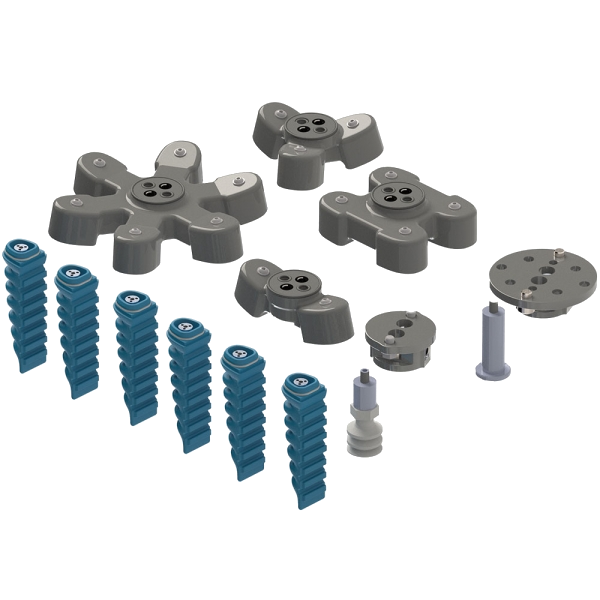
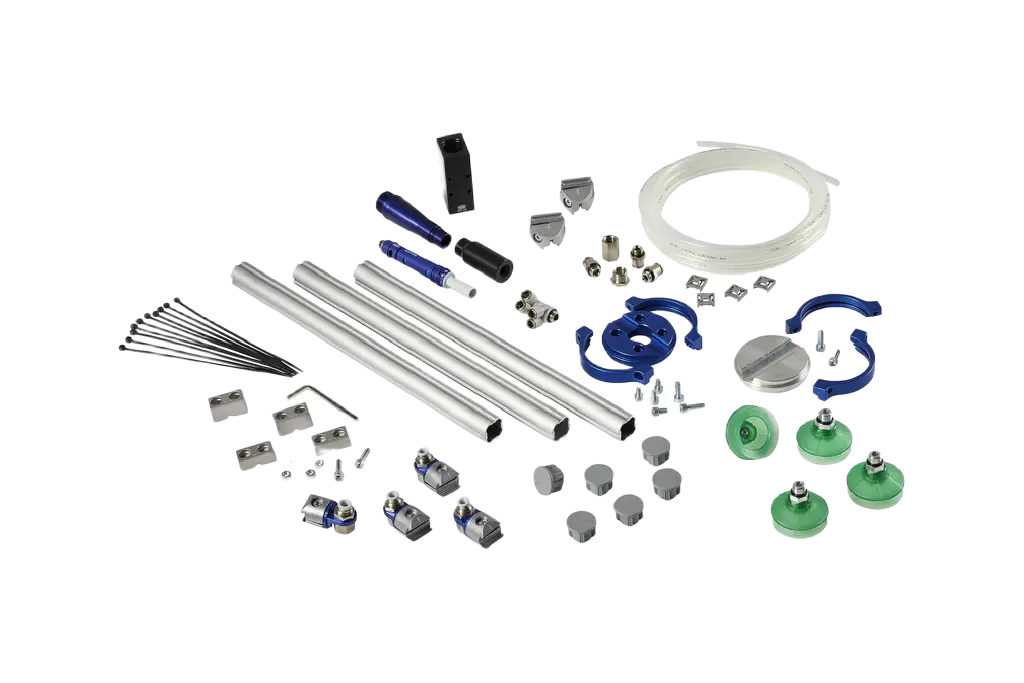
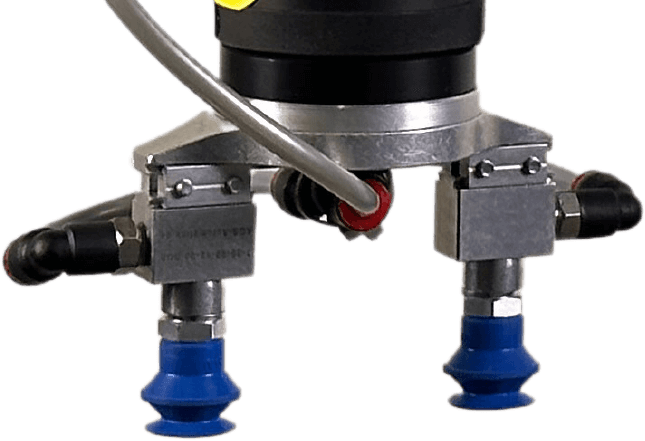
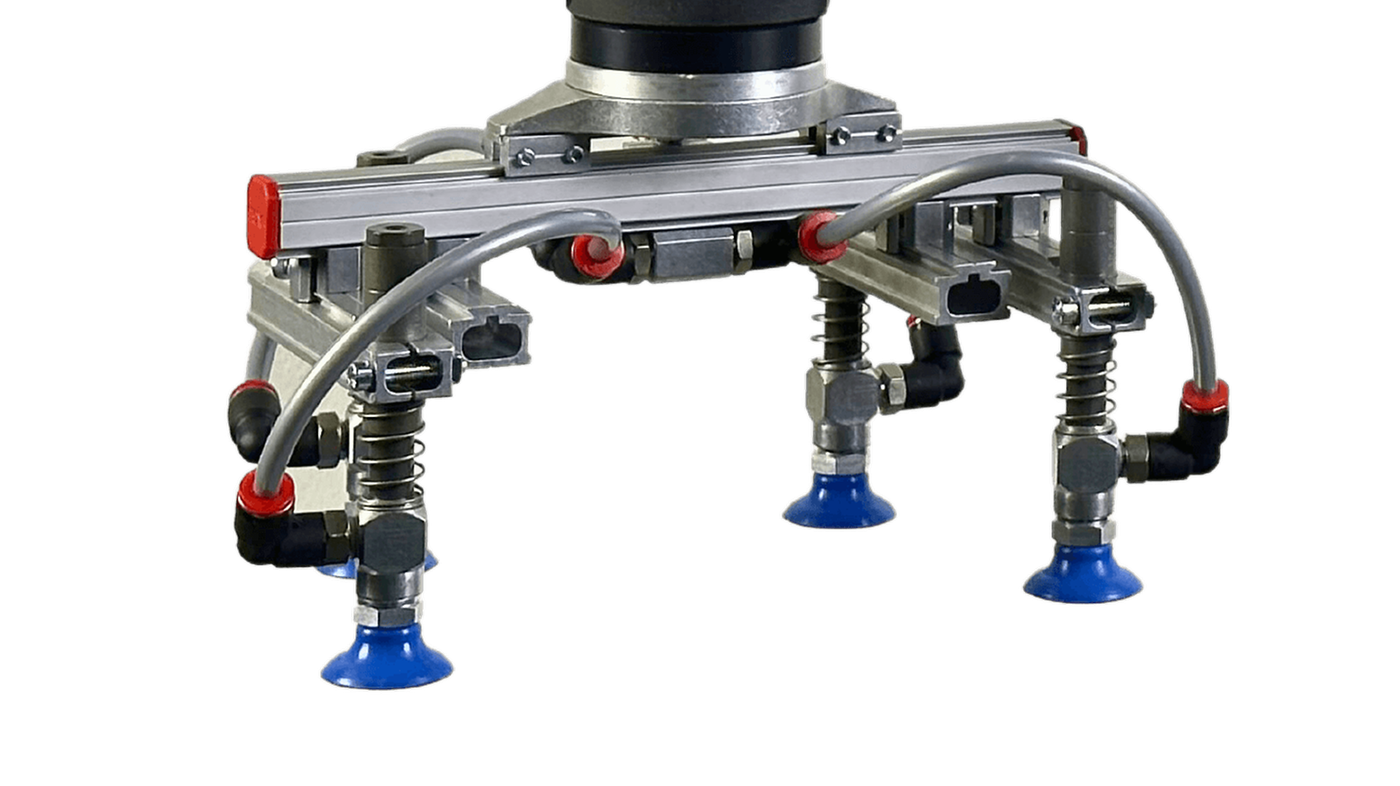
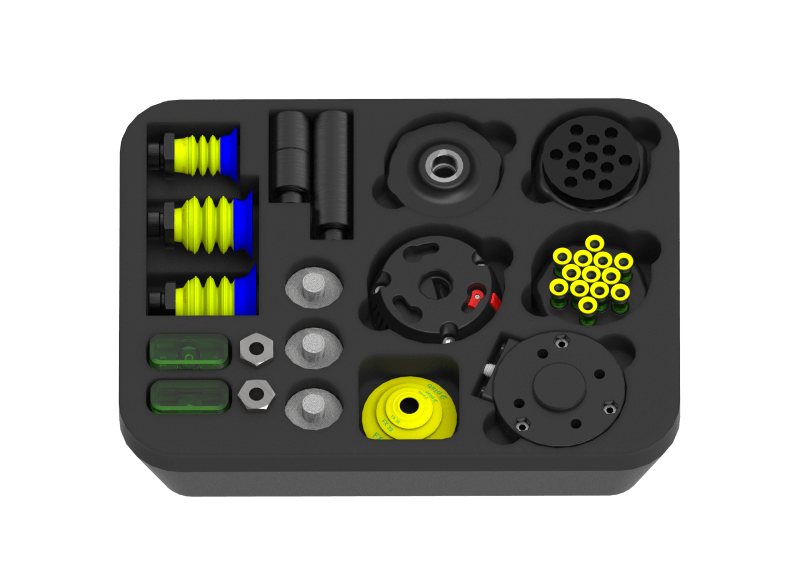
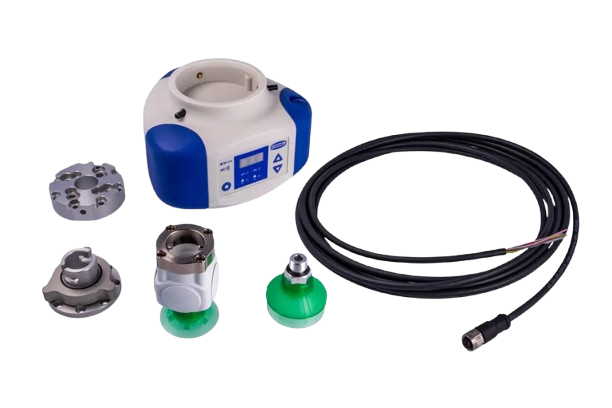
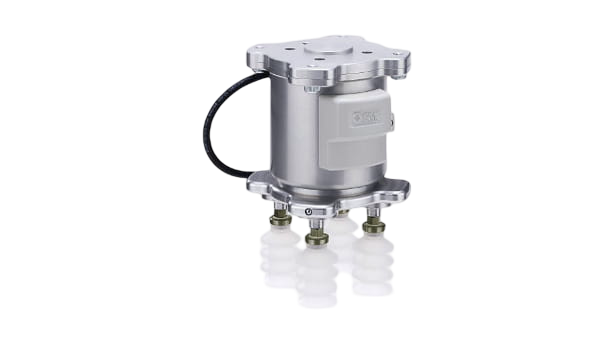
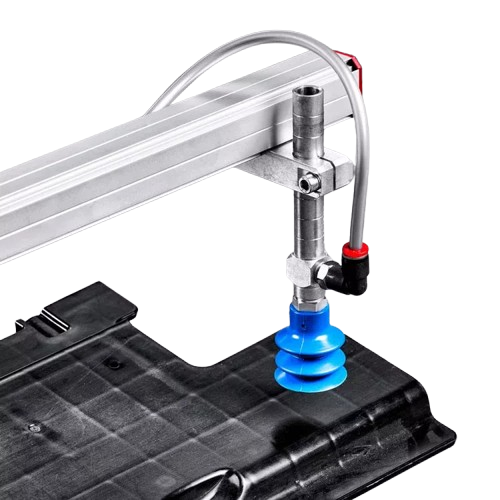
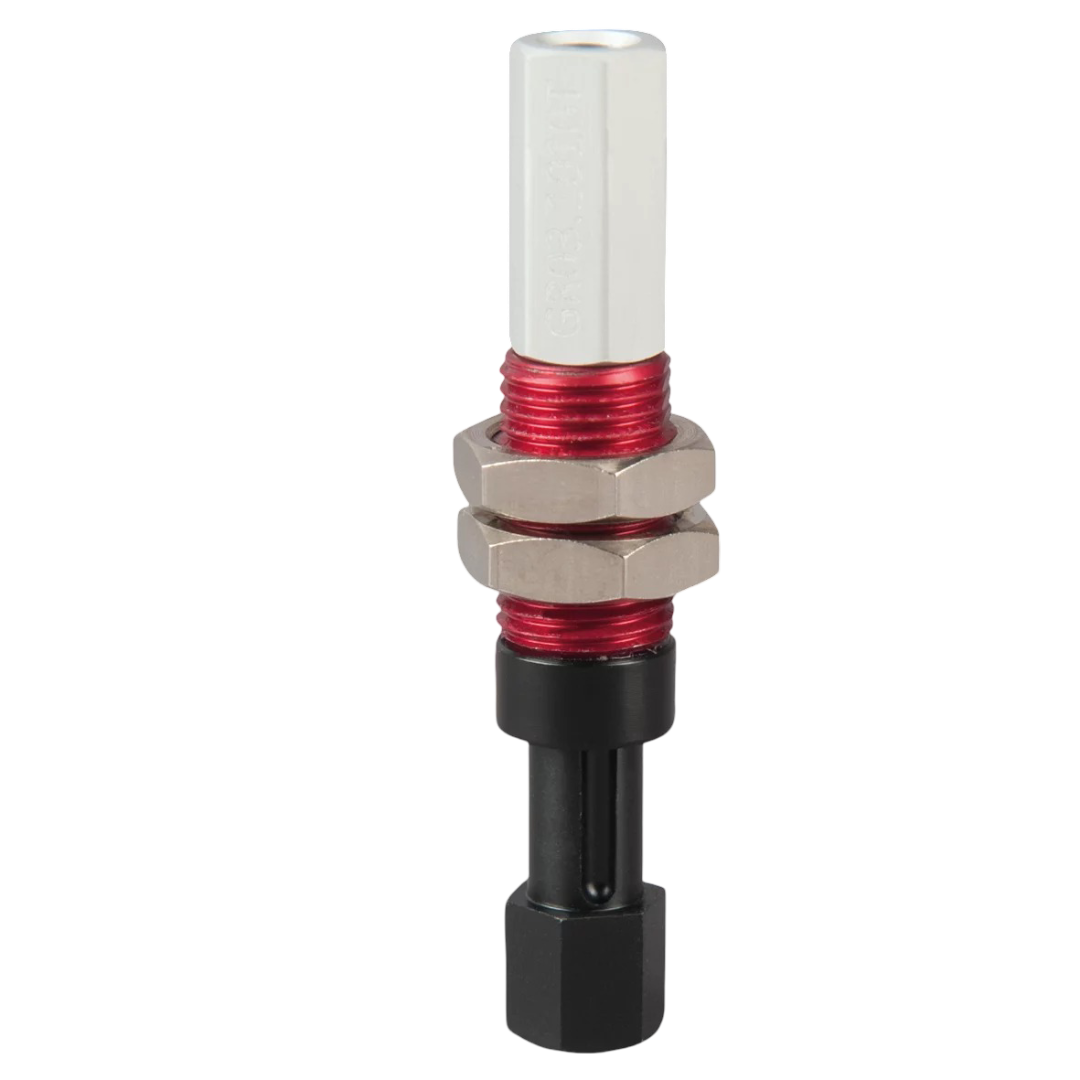
A vacuum end effector uses suction cups or a suction surface to lift and move a part. This technology is particularly useful when a product has a sufficiently accessible surface but is difficult to hold with mechanical fingers.
Vacuum systems are commonly considered for cartons, sheet metal, glass, plastic panels, bags, wood products, and packaging materials. The required configuration depends on the surface structure, porosity, weight, acceleration, and orientation of the part.
A flat and airtight component may be handled with a relatively simple suction cup. Porous cardboard, flexible bags, or uneven surfaces may require a different cup design, higher flow, multiple suction points, or additional monitoring.
Electric Grippers
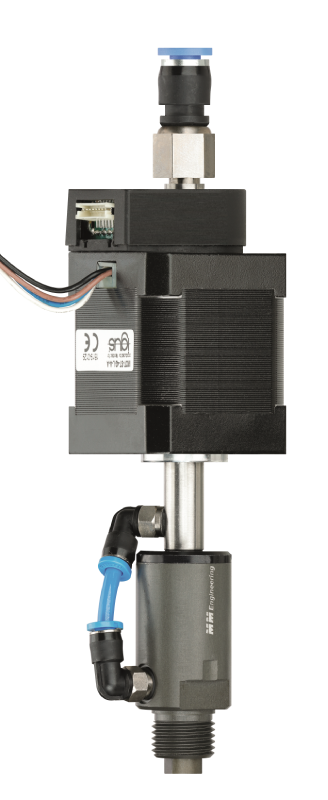
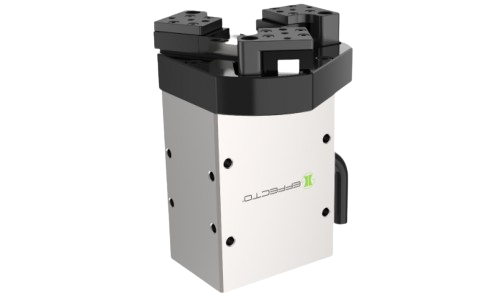
An electric end effector uses an electric motor rather than compressed air to control its movement. Depending on the model, grip position, speed, stroke, and force can be programmed and adjusted for different parts.
Electric grippers are often selected for flexible production, product variants, controlled gripping processes, and applications where compressed air is unavailable or undesirable. The ability to monitor positions or process values can also help identify missing, misaligned, or incorrectly gripped parts.
They are not automatically the best option for every process. A simple pneumatic gripper may remain more economical for a fast, repetitive task with only one component type.
Pneumatic Grippers
Pneumatic grippers use compressed air to open and close their jaws. They are widely used in industrial automation because they can provide fast actuation, simple control, and robust operation.
They are particularly suitable when a facility already has a reliable compressed-air supply and the process does not require detailed control of every gripping position. Buyers should still consider air consumption, pressure stability, tubing, valves, maintenance, and the level of grip-force adjustment required.
Process Tools
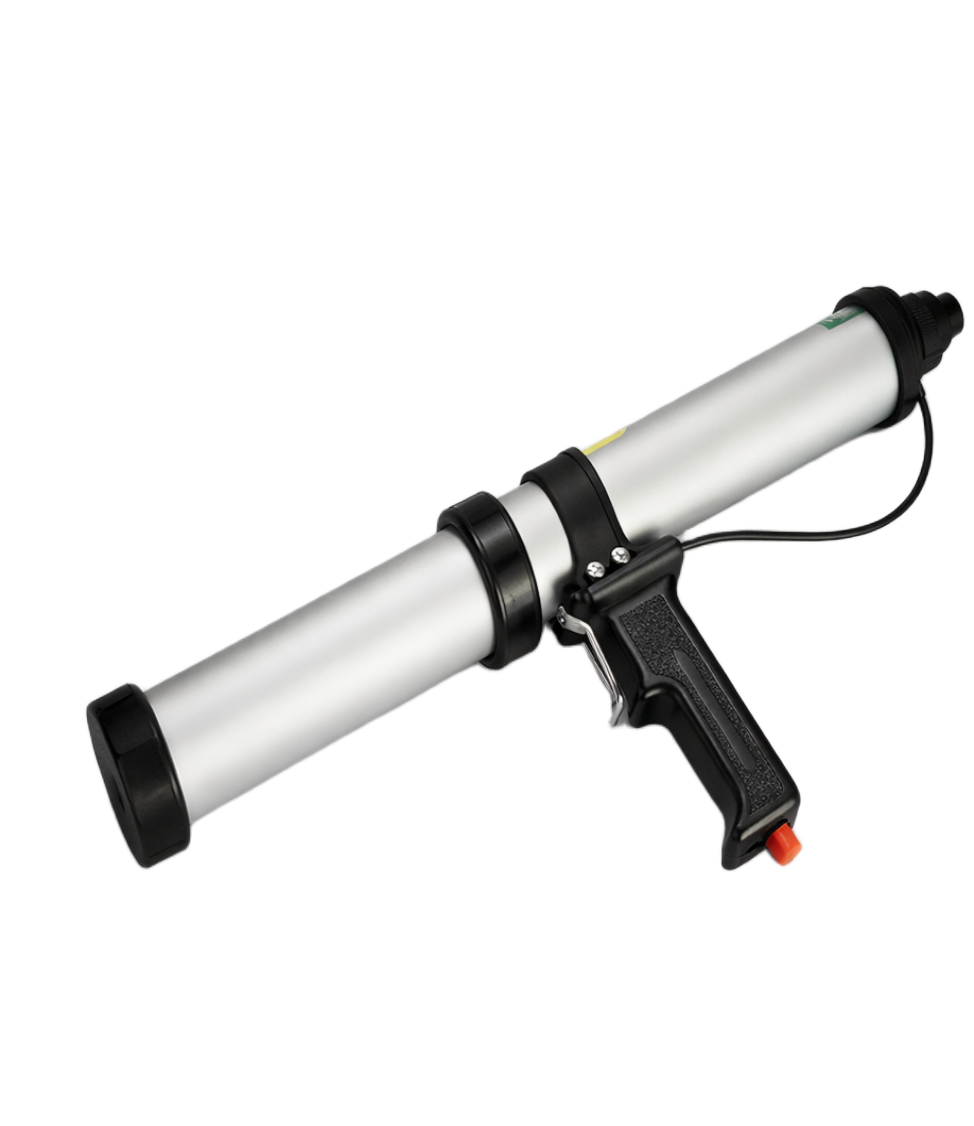
Not every robotic end effector is designed to pick up a product. Process tools allow a robot to perform work directly on a component.
Examples include tools for:
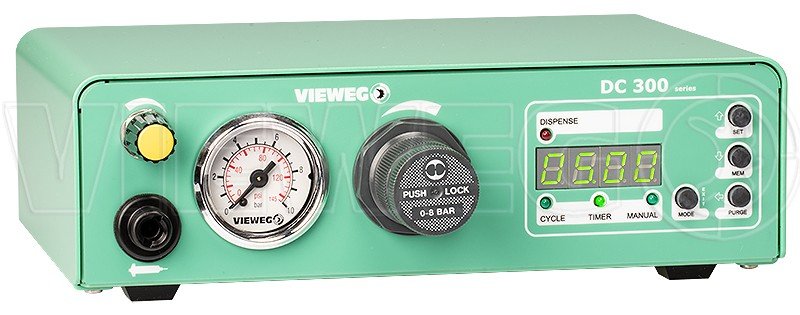
dispensing and adhesive application,
welding and soldering,
sanding and polishing,
deburring and grinding,
painting and coating,
drilling and fastening.
Unlike a gripper, which handles a workpiece, a process tool changes or finishes it. The selection criteria therefore include process force, tool speed, material behavior, wear, accessibility, extraction requirements, and the quality expected from the finished part.
Sensors and Inspection Tools
Cameras, scanners, ultrasonic sensors, and other measuring devices can also be mounted at the end of a robot arm. The robot then positions the sensor at defined points or moves it along a programmed inspection path.
This approach can support dimensional inspection, surface analysis, data collection, thermal measurement, and other quality-control processes. The robot provides repeatable positioning, while the sensor captures the required information.
Compliant End Effectors
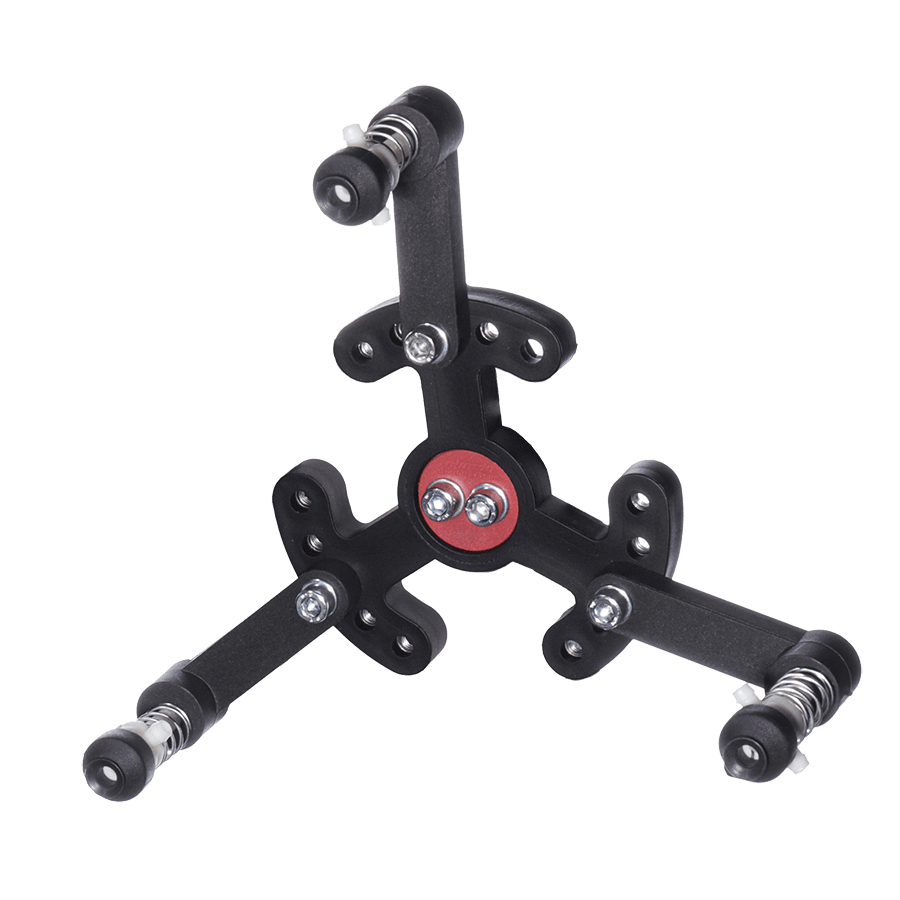
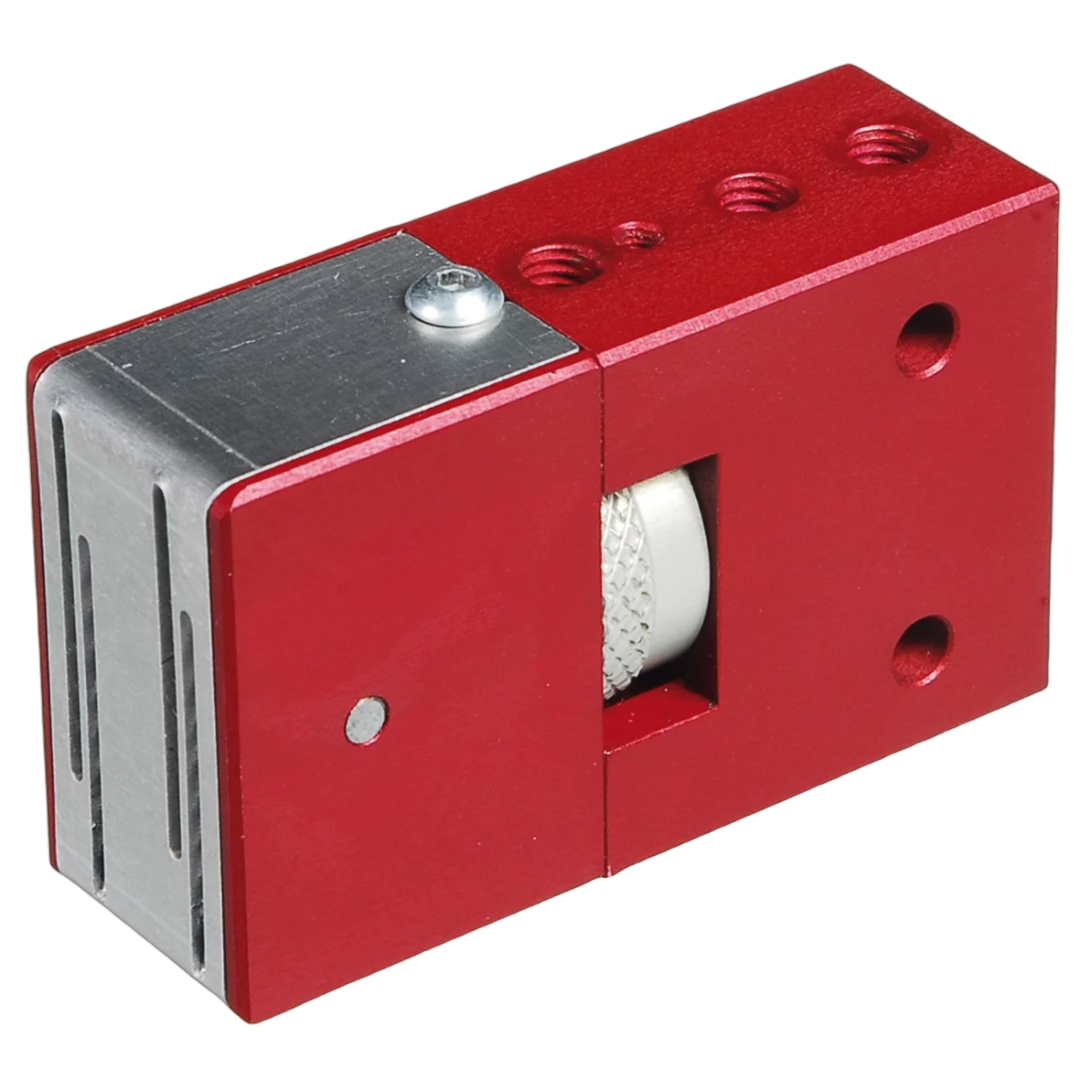
A compliant end effector can compensate for variations in position, geometry, or contact force. Depending on the technology, compliance may be passive through mechanical flexibility or actively controlled through sensors and a closed-loop control system.
This is particularly relevant for applications such as sanding, polishing, deburring, insertion, and machine loading. A rigid tool follows the programmed path even when the actual surface or component position varies. A compliant tool can compensate for defined deviations and maintain more consistent contact.
Which End Effector Is Right for Your Application?
The most useful starting question is not “Which end effector should I buy?” It is “What exactly must the robot do?”
A gripping application begins with the part. A process application begins with the required result. The required tool can then be narrowed down by evaluating the product, movement, operating conditions, and robot interface.
Selection criterion | Why it matters |
Part geometry | Determines whether the component can be gripped from the outside, inside, or by its surface |
Weight and center of gravity | Affect required grip force, robot payload, and stability during acceleration |
Surface | Smooth, porous, oily, delicate, or uneven surfaces require different gripping methods |
Part variation | Determines whether fixed fingers or an adjustable solution is more suitable |
Cycle time | Influences actuation method, tool weight, opening speed, and robot dynamics |
Orientation | Overhead, vertical, and rotating movements change the required holding force |
Environment | Dust, moisture, temperature, hygiene, and cleanroom requirements affect product selection |
Process data | Determines whether position, force, vacuum, or part-presence monitoring is required |
Future products | Wider product variation may justify an adjustable gripper or tool-changing system |
A supplier can provide a more accurate recommendation when these factors are defined before the quote request. Ideally, drawings, CAD data, part samples, weights, required cycle times, and a description of the complete process should be available.
Mechanical, Pneumatic, Electric, Vacuum, or Compliant?
There is no universally superior actuation or gripping technology. Each approach solves a different set of problems.
Technology | Main advantage | Typical consideration | Common application |
Mechanical gripping | Direct and secure part contact | Fingers must match the part geometry | Machine tending and assembly |
Pneumatic actuation | Fast, proven, and relatively simple | Requires compressed air and pneumatic components | Repetitive high-volume handling |
Electric actuation | Programmable force, position, and speed | Higher product and control complexity may not be required for simple tasks | Flexible automation and mixed products |
Vacuum gripping | Handles flat or sensitive surfaces without enclosing the part | Surface quality and vacuum integrity must be evaluated | Packaging, sheet handling, and palletizing |
Compliant tooling | Compensates for controlled variation and contact forces | Compliance range and process control must match the task | Finishing, insertion, and surface processing |
Pneumatic grippers are often effective for fast and stable processes. Electric grippers provide greater control when product dimensions or gripping requirements change. Vacuum gripping can simplify the handling of large surfaces, while compliant tooling is valuable when controlled contact is more important than rigid positioning.
How Does the Robot Affect End Effector Selection?
An end effector cannot be evaluated independently from the robot carrying it. Mechanical fit is only one part of compatibility.
The combined weight of the tool, fingers, cables, adapters, and workpiece must remain within the robot’s permitted payload. The center of gravity and inertia also matter, particularly during fast movements or when the tool extends far from the robot flange.
Important compatibility factors include:
Robot requirement | What to check |
Payload | Total weight of the tool, adapter, cables, and workpiece |
Tool flange | Mechanical dimensions, bolt pattern, and required adapter |
Power supply | Electrical voltage, compressed air, or hydraulic connections |
Communication | Digital I/O, fieldbus, Ethernet, or manufacturer-specific interfaces |
Robot reach | Additional tool length and the resulting usable workspace |
Programming | Drivers, software plug-ins, commands, and setup effort |
Safety concept | Grip-loss behavior, stored energy, sharp edges, and collaborative operation |
An end effector for cobots may prioritize low weight, rounded geometry, simple setup, and controlled forces. A traditional industrial robot end effector may instead be optimized for high cycle rates, greater payloads, harsh environments, or continuous operation.
The term collaborative does not automatically make the completed application safe. The robot, tooling, part, speed, process, and work environment must be assessed together.
Compatibility checks should therefore cover mounting, utilities, control, software, and the complete operating scenario—not only whether the tool can be physically attached to the robot. End effectors can use different mounting systems, power sources, communication protocols, and programming interfaces.
Common End Effector Applications
The robot provides movement, reach, and positioning. The end effector performs the actual work. This is why selecting the right tool depends first on the process: handling a carton requires a different solution than loading a CNC machine, inserting a component, or applying a controlled finishing force.
Typical end effector applications include:
Pick and place
Machine tending
Assembly and insertion
Packaging and palletizing
Material handling
Sorting and part feeding
Quality inspection
Dispensing and gluing
Grinding, sanding, and polishing
Welding and other process operations
Grippers are commonly used when the robot needs to pick up, hold, orient, or move a part. Process tools are required when the robot must physically modify the workpiece, while sensors and cameras can turn the robot into a programmable inspection system.
The application should therefore be defined before a specific product is selected. Two end effectors may look similar but differ significantly in gripping force, stroke, weight, control options, environmental suitability, and compatibility with the robot.
Application | Typical End Effector | Important Selection Factors |
Pick and place | Mechanical or electric gripper | Part geometry, cycle time, gripping force |
Packaging | Vacuum gripper | Surface, porosity, product variation |
Machine tending | Parallel gripper | Repeatability, contamination, part positioning |
Assembly | Electric or compliant gripper | Force control, alignment, precision |
Palletizing | Vacuum or multi-zone gripper | Payload, carton sizes, throughput |
Inspection | Camera or sensor tool | Viewing angle, accuracy, data interface |
Surface finishing | Compliant process tool | Contact force, tool speed, contour variation |
When Is a Vacuum End Effector the Right Choice?
A vacuum system is often suitable when parts are flat, smooth, large, or difficult to grip from the sides. Instead of closing fingers around the component, suction cups create a holding force against its surface.
Typical examples include cartons, sheet metal, glass panels, plastic parts, bags, wood panels, and packaged products. Vacuum technology can also reduce mechanical pressure on sensitive components because the holding force can be distributed across several suction points.
However, a vacuum solution is not automatically the best choice for every flat product. Porous materials, uneven surfaces, holes, dust, and changing part dimensions can reduce vacuum performance. The system must therefore be selected based on the real part rather than a drawing alone.
A buyer should evaluate:
Surface condition and porosity
Part weight and dimensions
Available contact area
Required acceleration
Number and layout of suction cups
Vacuum generation method
Behavior during a power or pressure loss
A vacuum gripper must provide sufficient holding force not only when the robot is stationary, but also during acceleration, deceleration, and emergency stopping. Appropriate safety margins are therefore essential. Vacuum grippers generally use suction cups connected to a vacuum source to lift and manipulate products.
Vacuum or Mechanical Gripping?
Requirement | Vacuum System | Mechanical Gripper |
Large, flat surface | Often suitable | May require custom fingers |
Porous or rough material | May be difficult | Often more reliable |
Sensitive surface | Distributed contact possible | Finger design must be controlled |
Irregular geometry | Depends on suction area | Custom fingers may adapt better |
Limited side access | Strong option | May not be possible |
High contamination | Requires careful evaluation | Sealed gripper may be preferable |
Neither principle is universally better. The correct choice depends on the workpiece, movement profile, process environment, and required reliability.
When Is a Compliant End Effector Needed?
Some robotic tasks require more than accurate positioning. The tool must also adapt to small variations in the part, fixture, or robot path.
A compliant end effector can compensate for misalignment or maintain controlled contact with a surface. Compliance may be passive, using a flexible mechanical element, or active, using sensors and closed-loop force control.
This capability is particularly relevant for:
Peg-in-hole and insertion processes
Machine loading
Grinding and sanding
Deburring and polishing
Surface finishing
Handling parts with dimensional variation
Processes requiring controlled contact force
Without compliance, a rigid tool follows its programmed path even when the real part position varies slightly. This can cause jamming, excessive force, surface damage, inconsistent results, or robot faults. Compliance allows the tool to absorb or correct these deviations.
Compliance Type | How It Works | Best Suited For |
Passive compliance | Mechanical flexibility compensates for variation | Simpler alignment and insertion tasks |
Active compliance | Sensors and control regulate position or force | Complex contours and controlled finishing |
No compliance | Tool follows a fixed programmed path | Stable, accurately positioned parts |
For processes such as sanding, grinding, or polishing, force consistency may be more important than position alone. Buyers should therefore define the required contact force, expected part variation, surface geometry, and quality standard before comparing tools.
What Information Should You Prepare Before Requesting Advice?
The quality of an end effector recommendation depends directly on the quality of the application data. A supplier can make a much more accurate selection when the workpiece, robot, process, and environment are clearly described.
The following information should be prepared before a consultation or quote request:
Information | Why It Matters |
Part material | Influences gripping principle and contact material |
Part geometry | Determines finger shape, suction layout, and access |
Weight and dimensions | Define gripping force, stroke, and robot payload |
Surface condition | Affects friction, vacuum sealing, and part protection |
Part variation | Determines required flexibility and sensing |
Cycle time | Influences actuation speed and tool design |
Robot model | Defines flange, payload, communication, and compatibility |
Operating environment | Dust, moisture, temperature, or cleanroom conditions affect selection |
Required process | Handling, assembly, inspection, or processing require different tools |
Future product variants | May justify adjustable fingers or a tool changer |
Providing part drawings, CAD data, photographs, cycle-time targets, and sample components can further reduce uncertainty during the selection process.
For an end effector for cobots, the complete application must also be considered. A collaborative robot does not automatically make every attached tool or process collaborative. Tool shape, payload, speed, gripping hazards, workpiece characteristics, and the application risk assessment remain relevant.
An industrial robot end effector may place greater emphasis on speed, durability, payload, environmental resistance, and high-volume production. The same tool concept may therefore require a different configuration depending on whether it is used on a compact collaborative robot or a high-speed industrial arm.
Common Mistakes When Selecting an End Effector
Many tools work during an initial demonstration but fail to deliver stable performance in continuous production. This usually happens because the selection was based on a single specification instead of the complete process.
One common mistake is focusing only on the workpiece weight. The robot must carry the combined mass of the tool, adapter, cables, fittings, sensors, and workpiece. A heavier end effector directly reduces the remaining robot payload available for the part.
Other frequent mistakes include:
Selecting the tool before fully defining the task
Ignoring the workpiece center of gravity
Using insufficient gripping or vacuum safety margins
Overlooking part and surface variation
Choosing an unnecessarily large or heavy tool
Failing to include acceleration and cycle time
Ignoring cable, air, and communication requirements
Assuming mechanical mounting guarantees full compatibility
Selecting only by initial purchase price
Failing to plan for future product variants
A technically compatible tool is not necessarily the most economical solution. Long-term performance also depends on setup time, maintenance, consumables, energy use, changeover time, and production reliability.
Buyer’s Tip
Compare the complete cost of the application rather than the price of the tool alone. A more adaptable or easily programmable end effector may reduce engineering hours, product changeover time, and future tooling costs.
Can End Effectors Be Changed or Expanded Later?
Production requirements rarely remain unchanged. New products, smaller batch sizes, additional processes, or modified fixtures may require a different tool.
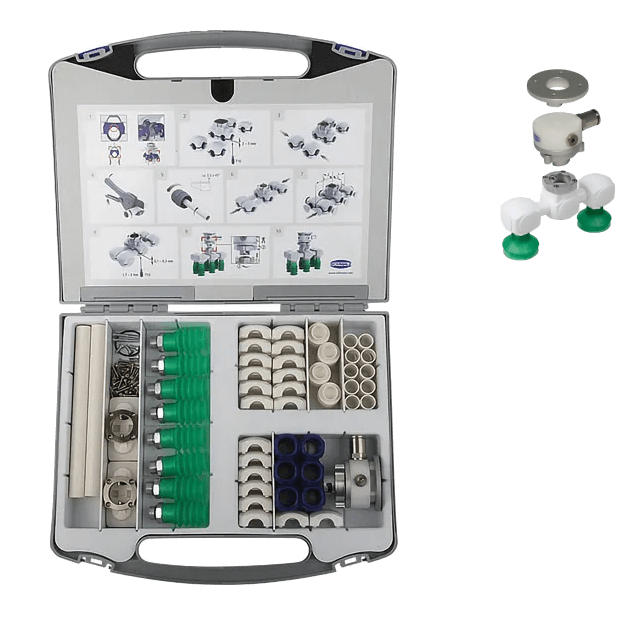
Some end effectors can be adapted with interchangeable fingers, different suction cups, sensor modules, or software settings. In other applications, the complete tool must be replaced.
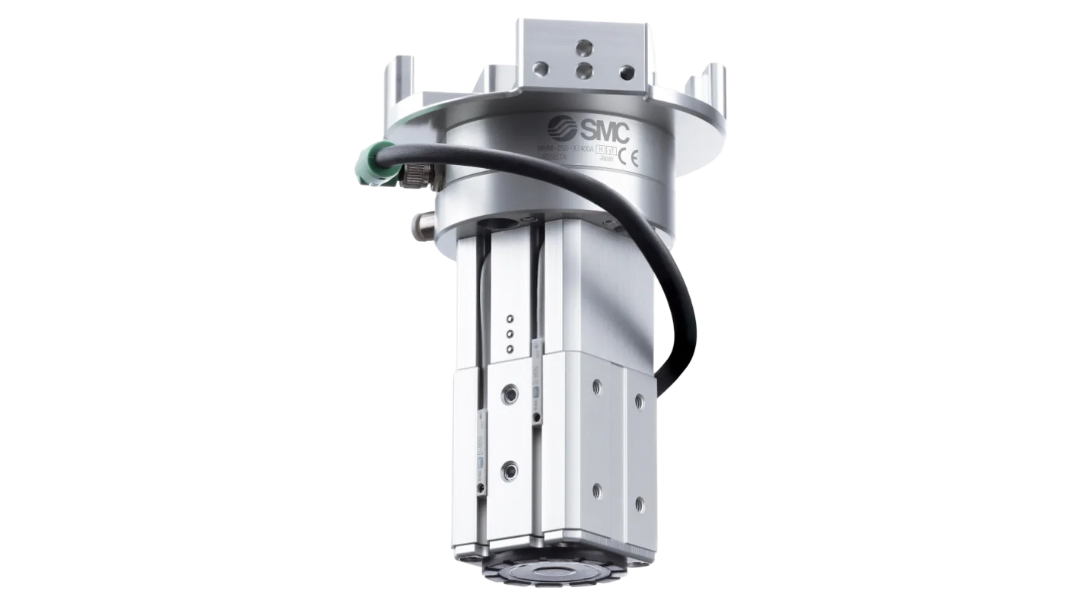
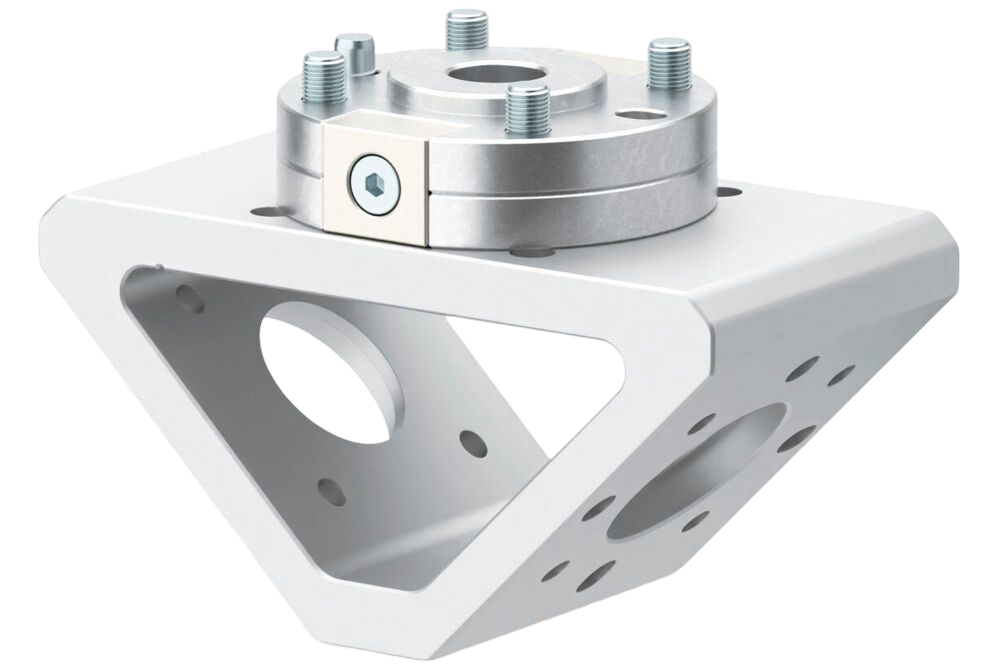
A tool changer can allow a robot to switch automatically between several tools. For example, the same robot may use a gripper to handle a component, change to a process tool, and then select a sensor for inspection. Tool changers are installed between the robot wrist and the tool and can increase robot utilization in multi-process applications.
A tool-changing concept may be useful when:
The robot handles several product variants
Different gripping principles are required
Handling and processing occur in the same cell
Manual changeovers would interrupt production
Future tasks cannot yet be fully defined
The additional weight, tool storage, utilities, control interfaces, and change time must still be included in the overall cell design.
Why Compatibility Matters
Mechanical attachment is only one part of compatibility. A robotic tool must also match the robot’s payload, flange, power supply, communication protocol, controller, and software environment.
Before purchasing, verify:
Robot flange and adapter requirements
Tool weight and remaining payload
Electrical voltage and current
Pneumatic or hydraulic supply
Digital or fieldbus communication
Available software plug-ins
Cable routing and dress packs
Required controller functions
Safety-related signals
Tool-center-point setup
Mounting, power, communication, and programming are all required before the robot can operate an end effector correctly.
Compatibility is especially important when combining products from different manufacturers. A marketplace approach helps buyers compare alternatives while considering whether the selected components can operate together. RBTX also provides compatibility-based configuration for supported robot and tool combinations.
Why Compare End Effectors from Multiple Manufacturers?
There is no single best end effector for every application. Manufacturers differ in gripping principle, control architecture, weight, stroke, force range, environmental protection, software support, and pricing.
Comparing multiple solutions helps identify whether a standard product is sufficient or whether the process requires a more specialized tool. It also prevents the application from being designed around the limitations of the first product evaluated.
A structured comparison should include:
Comparison Factor | What to Evaluate |
Functional fit | Can the tool perform the required action reliably? |
Robot compatibility | Does it match payload, flange, power, and control? |
Part flexibility | Can it handle current and future variants? |
Integration effort | How much engineering and programming are required? |
Process stability | Does it maintain reliable grip or contact? |
Operating cost | What are the energy, maintenance, and consumable costs? |
Support | Are documentation, software, and technical assistance available? |
The final decision should be based on the complete automation process, not on a single feature or product price.
Frequently Asked Questions About End Effectors
What is an end effector?
An end effector is a device attached to the wrist of a robot that allows it to interact with a workpiece or process. Depending on the task, it may grip, move, inspect, assemble, weld, dispense, sand, or otherwise process a component.
What is the difference between an end effector and a gripper?
A gripper is one type of end effector. The broader category also includes process tools, sensors, vacuum systems, welding equipment, dispensing tools, and other devices mounted at the end of a robot arm.
What does EOAT mean?
EOAT stands for End-of-Arm Tooling. The term is commonly used interchangeably with end effector, particularly in industrial automation and material-handling applications.
When should I use an electric gripper?
An electric gripper is useful when the application requires programmable position, speed, or gripping force. It can also be suitable when compressed air is unavailable or when production data and process monitoring are important.
When should I use a vacuum end effector?
A vacuum system is often suitable for flat or large products such as cartons, panels, sheet material, glass, and packaged goods. Surface porosity, sealing area, acceleration, and safety requirements must be checked before selection.
How do I select the right robot gripper?
Start with the workpiece and process. Define the part geometry, material, weight, surface, orientation, cycle time, environmental conditions, and available gripping points. Then check compatibility with the robot and compare suitable gripping technologies.
Can one robot use multiple end effectors?
Yes. Tools may be changed manually or automatically. A tool changer enables one robot to perform several tasks, provided payload, utilities, programming, and safety requirements are considered.
What affects the price of an end effector?
Pricing depends on gripping technology, payload, stroke, sensors, force control, environmental protection, software, customization, and required accessories. Integration and operating costs should be evaluated alongside the initial product price.
Compare End Effectors on the RBTX Marketplace
The end effector determines how a robot interacts with the real process. Selecting the right solution requires more than matching a flange or choosing a sufficient gripping force. Workpiece geometry, surface, cycle time, environment, robot payload, control interfaces, and future product variants all influence the decision.
On the RBTX Marketplace, you can compare end effectors and End-of-Arm Tooling from multiple manufacturers for handling, assembly, machine tending, packaging, inspection, and other automation tasks. Review different technologies, check suitable robot combinations, and request advice or a quote for the solution that best fits your application.